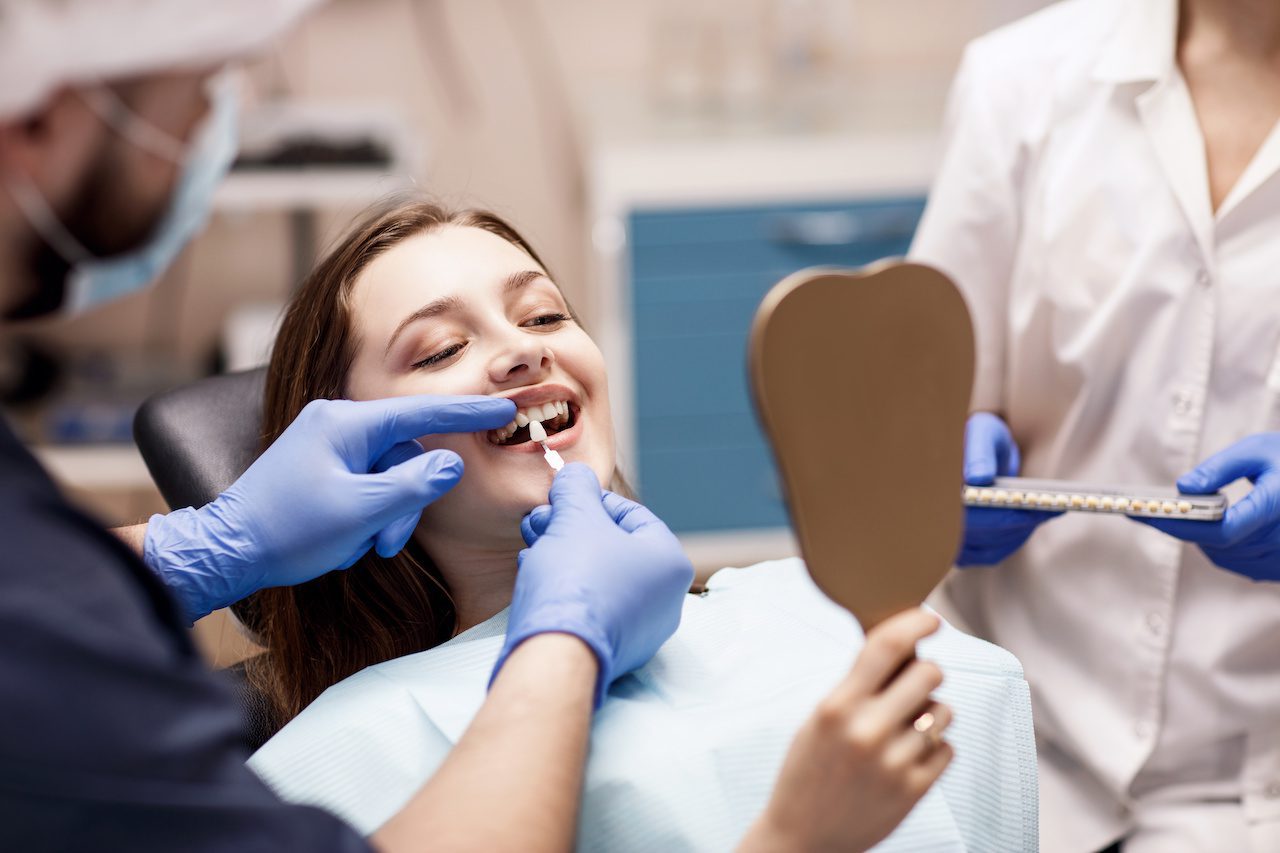
Professional teeth whitening in West Edmonton offers patients two distinct treatment pathways with different timelines and application protocols. Zoom in-office whitening completes treatment in a single 90-120 minute appointment under direct dental supervision at Lewis Estates Dental Centre. Take-home professional whitening kits require patients to apply custom-fitted trays with professional-grade whitening gel for 30-60 minutes daily over 7-14 days.
Professional Whitening Method Comparison
| Factor |
In-Office Zoom Whitening |
Take-Home Professional Kits |
| Treatment Duration |
Under 2 hours, single appointment |
7-14 days, daily 30-60 minute applications |
| Peroxide Concentration |
Clinical-grade professional strength |
Professional-grade lower concentration |
| Supervision |
Continuous professional monitoring |
Initial fitting, then self-administration |
| Best For |
Upcoming events, busy schedules |
Flexible timelines, gradual results |
Selecting Methods Based on Timeline Requirements
Patients preparing for weddings, professional photography, or job interviews within two weeks typically benefit from same-day in-office whitening treatment. Individuals with flexible timelines or preferences for gradual whitening find take-home kits provide control over the pace of shade change. Both professional whitening methods deliver superior results compared to over-the-counter drugstore products due to professional-grade formulations and custom tray fabrication for complete tooth coverage.
Determining Whitening Candidacy Through Professional Assessment
Professional teeth whitening treatment requires a thorough dental examination before starting, as existing cavities or gum disease can affect the whitening process and overall results. Dr. Bains conducts comprehensive evaluations to identify oral health conditions that need resolution prior to whitening treatment. The examination process includes visual inspection, digital radiographs, and discussion of medical history to establish appropriate treatment timing.
Dental Conditions Requiring Pre-Treatment Resolution
Active dental cavities must receive fillings before whitening procedures because peroxide gel can penetrate decay and cause pulp sensitivity or damage. Gum disease creates inflamed tissue that becomes more susceptible to irritation from whitening agents, requiring periodontal treatment and healing before cosmetic procedures. Patients with untreated cavities or periodontal inflammation receive treatment plans that sequence restorative work first, followed by teeth whitening once oral health stabilizes.
Whitening Candidacy Factors
- Qualifying conditions: Healthy tooth enamel without active decay, stable gum tissue free from inflammation, realistic expectations about shade improvement, willingness to follow post-treatment dietary restrictions
- Contraindications requiring deferral: Pregnancy or nursing status, active dental caries, severe gum disease, age under 14 when enamel development remains incomplete
- Conditions requiring modification: History of severe tooth sensitivity, extensive existing dental restorations that will not change color, intrinsic staining from certain medications
Existing Dental Work and Material Considerations
Dental veneers, crowns, bridges, and composite fillings maintain their original color during whitening treatment because porcelain and resin materials do not respond to peroxide bleaching agents. Patients with visible anterior restorations may need replacement after whitening to match the newly brightened natural tooth shade. The candidacy assessment at Lewis Estates Dental Centre identifies restoration locations and discusses potential replacement costs before starting whitening procedures.
Sensitivity Assessment and Management Options
Teeth whitening treatments commonly cause temporary tooth sensitivity and mild gum irritation as side effects, which typically resolve within 24-48 hours after treatment completion. Patients with pre-existing sensitivity receive desensitizing toothpaste recommendations for two weeks before whitening appointments. Take-home whitening kits allow sensitivity-prone patients to control application frequency, skipping days if discomfort occurs, while in-office protocols can incorporate breaks between gel applications for patient comfort.
Understanding Zoom Light-Activated Whitening Technology
In-office dental whitening combines professional-grade whitening agents with specialized light activation to achieve optimal whitening results. The light activation system catalyzes the breakdown of peroxide molecules, intensifying the release of oxygen ions that penetrate tooth enamel to dissolve stain molecules. This technology enables dentists to achieve significant shade improvement in under two hours compared to days required by non-activated whitening methods.
Protective Protocol for Gum and Soft Tissue Safety
Professional teeth bleaching uses protective barriers and specialized techniques to shield gums and soft tissues from strong whitening agents during treatment. Dental professionals apply liquid dam resin to cover gum tissue before applying peroxide gel to tooth surfaces. The barrier material hardens to create a seal that prevents gel contact with sensitive oral tissues during activation cycles.
Zoom Treatment Protocol Steps
- Preparation: Dental hygienist cleans tooth surfaces and records pre-treatment shade using a standardized shade guide
- Barrier application: Protective resin covers gum tissue and is light-cured, with additional protection for lips and cheeks
- Gel application: Professional whitening gel is applied in multiple cycles with fresh gel for each activation period
- Light activation: Zoom LED lamp positions over teeth for consistent light exposure across all visible teeth
- Assessment: Final shade recording compares results to baseline, followed by fluoride application to reduce sensitivity
Professional-Grade Gel Concentration Standards
In-office dental whitening procedures involve clinical-grade peroxide solutions that are significantly stronger than store-bought whitening products, requiring professional supervision during application. The higher concentration combined with light activation explains why professional whitening achieves substantial shade improvements in one appointment versus the limited changes possible with drugstore products over several weeks. Lewis Estates Dental Centre uses professional-grade formulations designed for safety and effectiveness under supervised conditions.
Planning Whitening Results for Events and Long-Term Maintenance
Patients scheduling professional teeth whitening for weddings, graduation photos, or professional events should complete treatment 1-2 weeks before the occasion to allow any temporary sensitivity to resolve completely. The timing ensures teeth reach peak whiteness while gums return to normal color if any blanching occurred during treatment. Scheduling the whitening appointment too close to an event risks visible tissue irritation or heightened sensitivity during important photographs or celebrations.
Immediate Post-Treatment Dietary Restrictions
The success of professional whitening requires patients to follow specific aftercare instructions, including avoiding staining foods and beverages for the first 48 hours after treatment completion. During this critical period, tooth enamel pores remain open and highly susceptible to absorbing pigments from coffee, red wine, dark sodas, berries, tomato sauce, and soy sauce. Patients should consume only white or light-colored foods during the initial two days, then gradually reintroduce staining items while monitoring shade retention over subsequent weeks.
Post-Whitening Food and Beverage Restrictions
- First 48 hours avoid: Coffee, tea, red wine, dark cola, berries, tomato-based sauces, soy sauce, balsamic vinegar, dark chocolate, and all tobacco products
- Long-term maintenance: Drink staining beverages through straws, rinse mouth after consuming pigmented foods, maintain consistent brushing and flossing
Touch-Up Treatment Schedules for Sustained Results
Take-home whitening kits provided after in-office treatment allow patients to maintain results with convenient touch-up applications every 6-12 months depending on lifestyle factors. Patients with heavy coffee or wine consumption benefit from more frequent touch-ups using one or two nightly applications of professional gel in their custom trays. Individuals who maintain excellent oral hygiene through regular dental hygiene care may only require annual touch-up treatments to sustain the brightness achieved during initial professional whitening at Lewis Estates Dental Centre.