
If you are moving through perimenopause, menopause, or postmenopause, you may notice changes in your body that feel unfamiliar. Hot flashes, sleep disruption, mood shifts, and energy changes often get the spotlight. What many women don’t expect is that menopause can also affect the mouth!
Dryness, gum sensitivity, burning sensations, and sudden tooth sensitivity can feel confusing, especially if you have always taken good care of your teeth. If this sounds familiar, you are not alone. These changes are common, and they’re not a sign that you are doing something wrong.
At Lewis Estates Dental Centre, we see use a holistic approach to oral care, and menopause is part of that story! Understanding what is happening can make these changes feel less uncomfortable and much more manageable!
Why Menopause Affects Your Mouth
Estrogen plays a big role in keeping your mouth healthy! Estrogen regulates inflammation, supports bone density, maintains saliva production, and keeps your airway stable during sleep.
Menopause and sleep disorders have a relationship, too. When estrogen levels shift, your mouth becomes more sensitive to things that never bothered you before. And sleep often suffers too: research shows that 35 - 60% of women experience sleep issues after menopause. Additionally, after menopause, women become more likely than men to develop obstructive sleep apnea.
This does not mean menopause automatically causes dental problems. What it means is that your mouth may respond differently to things that never bothered you before, like plaque buildup, dehydration, stress, or certain medications.
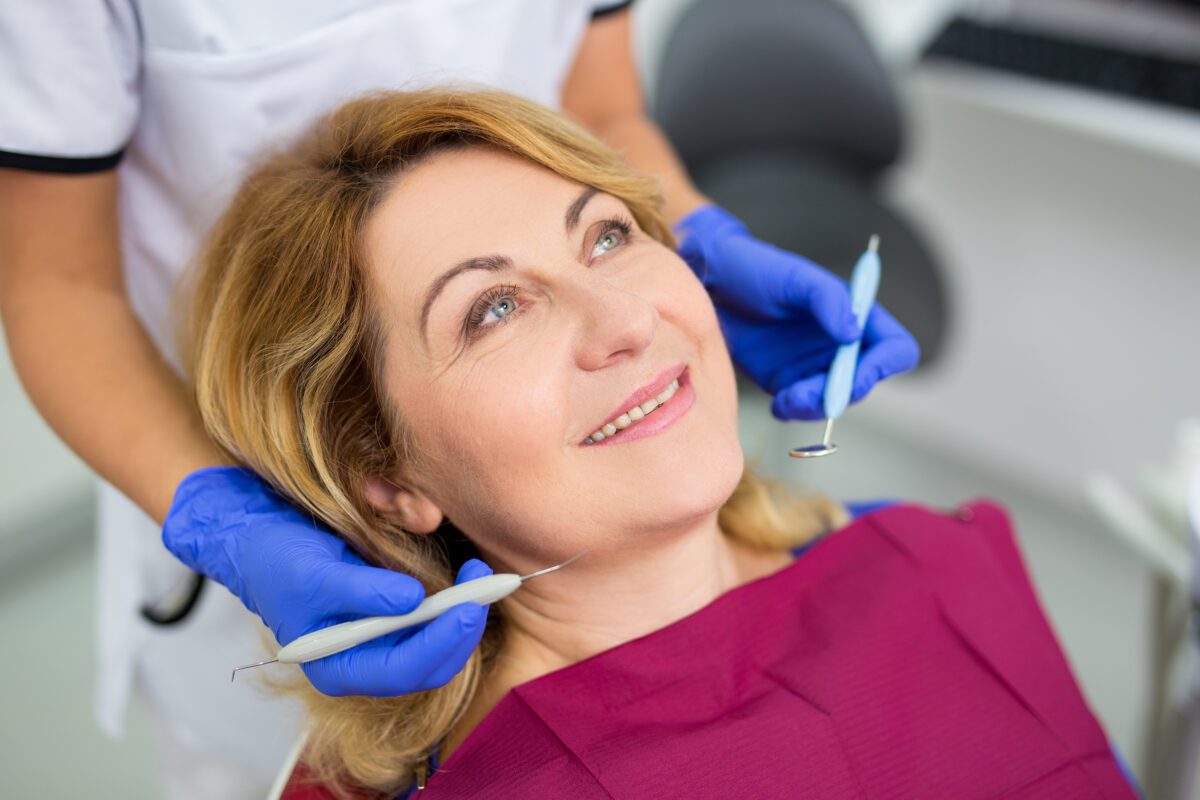
For many people, oral symptoms are one of the first subtle signs that the body is adjusting. When your dentist understands this connection, they can support you more thoughtfully and proactively.
Common Menopausal Changes That Can Affect Your Mouth
Rather than experiencing one single symptom, many people notice a combination of subtle changes. These can come and go, vary in intensity, or appear gradually over time.
Gum Sensitivity and Inflammation
Gums may feel tender, swollen, or bleed more easily during brushing or flossing. Hormonal shifts can make gum tissue more reactive to inflammation, even if you haven’t changed your oral hygiene habits.. Over time, unmanaged inflammation can increase the risk of gum disease, which is why early monitoring matters.
Dry Mouth and Reduced Saliva
Saliva protects teeth and soft tissues by neutralizing acids and washing away bacteria. During menopause, saliva production may decrease, leading to dryness, discomfort, and a higher risk of cavities. Dry mouth can also affect taste, swallowing, and overall comfort throughout the day.
Burning or Tingling Sensations
Some people experience a burning, tingling, or scalded feeling on the tongue, lips, or roof of the mouth. This sensation may appear without visible changes and can be unsettling. It is more common around menopause and deserves attention, even if it seems intermittent.
Increased Tooth Sensitivity
Teeth may suddenly react to cold drinks, hot foods, or sweets. Sensitivity can be linked to gum recession, reduced saliva, enamel wear, clenching, or grinding. Rather than treating sensitivity as an isolated issue, a whole-health dentist looks for contributing factors.
Bone Density Changes
Menopause can affect bone density throughout the body, including the jawbone that supports your teeth. While not everyone experiences noticeable changes, bone health is an important consideration when planning dental treatment or monitoring tooth stability over time.
Jaw Tension and Grinding Teeth
Teeth grinding—called bruxism—is recognized as a sleep-related issue that happens more often in menopausal women. After menopause, obstructive sleep apnea becomes much more common, involving repeated airway collapse during sleep. Sometimes your body responds by clenching or grinding your teeth to reopen the airway, which can cause worn teeth, jaw pain, and morning headaches.
Because dentists examine your jaw and airway at every visit, they're often the first to spot signs of sleep-breathing issues.
Why a Holistic, Whole-Body Dental Approach Matters in Menopause
A dentist who understands menopause doesn't just look for cavities. We monitor gum health and bone levels, screen for dry mouth and tissue changes, identify signs of clenching or airway issues, and adjust care recommendations as your body changes.
Your dentist should feel like a partner in your health, not just someone checking for cavities. This means asking thoughtful questions, tracking changes over time, and adjusting care as your body transitions.
At Lewis Estates Dental Centre, this approach helps us support patients through midlife changes with greater understanding and compassion.
Simple Ways to Support Your Oral Health During Menopause

You don't t need to do everything perfectly. Small, consistent habits can help a great deal during menopause!
Helpful strategies include:
- Drinking water regularly throughout the day
- Using a soft toothbrush and gentle brushing technique
- Flossing consistently, even if you start slowly
- Asking about products that support dry mouth comfort
- Keeping up with regular dental cleanings and exams
- Speaking openly about any new or changing symptoms
If you're suffering from sleep issues, you should be bringing this up with your dentist and medical doctor. If something feels different, trust that feeling and speak to your dentist about it! Early support often prevents more complex issues later.
Supporting Your Smile Through Every Stage of Life

Menopause is natural, and oral health changes are normal for many women. With the right information and a caring dental team, these changes don't have to feel overwhelming.
At Lewis Estates Dental Centre, we believe your oral health is closely connected to your overall wellbeing. If you are noticing changes or simply want care that looks at the full picture, we are here to help.
Whenever you feel ready, we’re here to support your smile with care that respects your whole health. Maintain your confident, healthy smile during every stage of life!