
The Oral Cavity as a Systemic Gateway
Oral bacteria increase your risk of heart disease by entering the bloodstream through inflamed gum tissue. This bacterial migration triggers systemic inflammation that directly damages cardiovascular vessels.1,2 At Lewis Estates Dental Centre, we consider this one of the most important—and underappreciated—connections in modern medicine.
Your Gums: More Than Just Soft Tissue
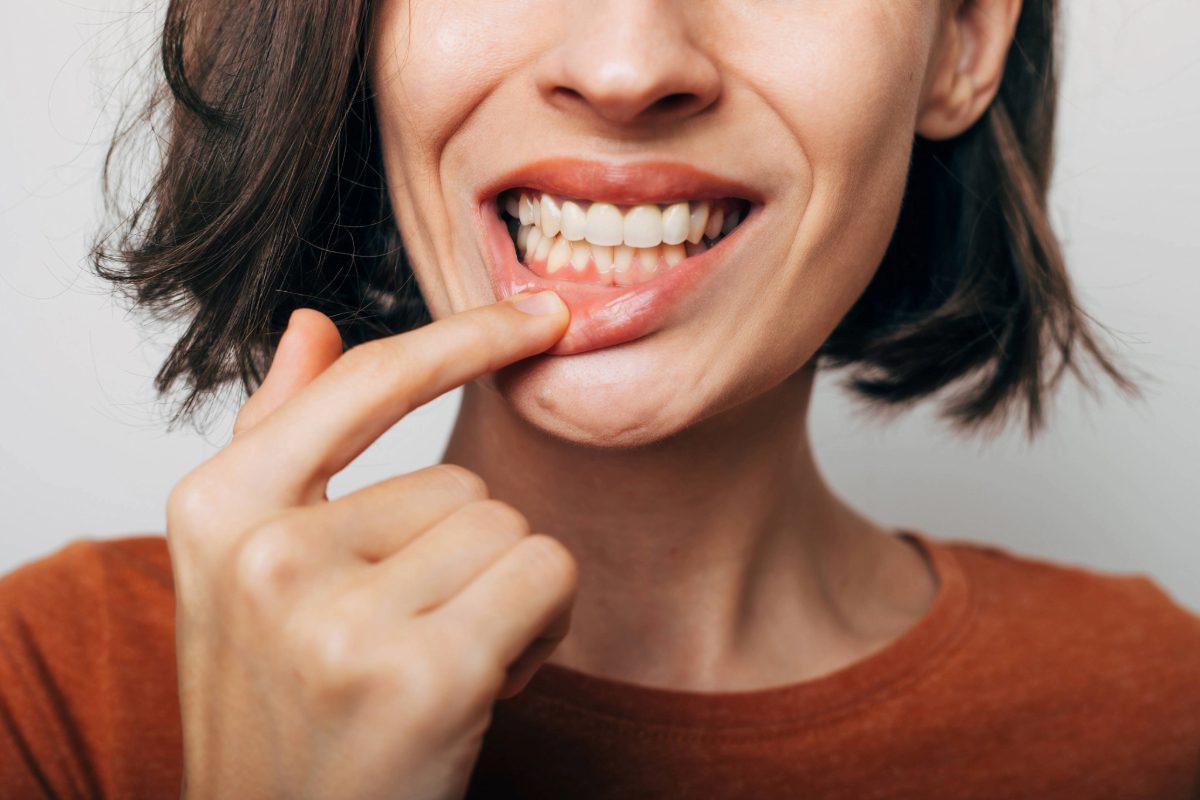
Advanced gum disease (periodontitis) creates roughly 5 cm² of open, inflamed tissue around your teeth.1 This ulcerated wound allows bacteria to enter the bloodstream directly, every single day. Unlike a cut on your hand that you cover and protect, this wound stays in constant contact with a large bacterial community. Every time you chew, swallow, or brush, oral bacteria seize the opportunity to enter your circulation.
The primary bacterial culprit is Porphyromonas gingivalis (P. gingivalis). When P. gingivalis enters the bloodstream, your immune system releases pro-inflammatory proteins called cytokines—particularly Interleukin-6 (IL-6). These cytokines trigger systemic inflammation: a low-grade, body-wide immune response that quietly damages blood vessels over time.2 A 2025 cardiovascular study confirmed that patients with moderate-to-severe periodontitis showed significantly greater carotid artery thickening than those with healthy gums.3 Carotid artery thickening is a well-established predictor of heart attack and stroke.
The mouth is not separate from the rest of your body. What happens in your gums directly influences your heart, your blood sugar, and your brain.
Determine Your Systemic Risk: A Quick Self-Check
If several of the following apply to you, a conversation with our team could genuinely benefit your whole-body health. Review each item honestly:
Systemic Risk Self-Check
- Gums bleed when you brush or floss (Higher Risk): Bleeding gums signal active inflammation and a compromised tissue barrier—not a normal finding.
- Gums appear red, swollen, or have receded from your teeth (Higher Risk): Recession and pocketing give bacteria deeper access to the bloodstream.
- You have a diagnosis of type-2 diabetes or prediabetes (Higher Risk): Diabetes and gum disease worsen each other through a bidirectional inflammatory pathway.
- Your last professional cleaning was more than 12 months ago (Moderate Risk): At-home brushing and flossing cannot remove hardened tartar deposits—only professional scaling achieves this.
- Persistent bad breath does not resolve with brushing (Moderate Risk): Chronic halitosis often reflects a high bacterial load in gum pockets.
- Your family history includes cardiovascular disease or dementia (Moderate Risk): Genetic susceptibility combined with oral inflammation may amplify systemic risk.
Periodontitis and Diabetes Share a Bidirectional Relationship
If you or someone you love manages diabetes, here is something your physician may not have mentioned yet: Gum health and blood sugar control directly affect each other. Each condition actively worsens the other—and treating one measurably improves the other.
How High Blood Sugar Fuels Gum Disease
Elevated glucose levels create an environment in gum tissue where harmful bacteria thrive. Blood vessels become more fragile. The immune response weakens. Soft tissue heals more slowly. These combined effects make people with diabetes significantly more prone to developing periodontitis—and to experiencing faster disease progression.
How Gum Disease Worsens Insulin Resistance
When P. gingivalis and other oral pathogens enter systemic circulation, these pathogens trigger the release of pro-inflammatory cytokines. These cytokines interfere with the way cells respond to insulin. The result is increased insulin resistance: Your pancreas works harder, your cells respond less effectively, and blood sugar control becomes more difficult. For someone already managing type-2 diabetes, this feedback loop represents a meaningful and often overlooked variable.
| Origin | → | Releases | → | Causes |
| Periodontitis | Pro-inflammatory cytokines | ↑ Insulin resistance & HbA1c |
Periodontal Treatment Lowers Blood Sugar Levels
This is where the science becomes genuinely empowering. Research shows that periodontal treatment reduces HbA1c by an amount comparable to adding a second diabetes medication.5 Your mouth actively participates in how well blood sugar control is maintained. Treating gum disease is a modifiable health intervention—not just a cosmetic concern.
We always encourage patients managing diabetes to share that with us. Knowing your health history lets us tailor your preventive schedule and collaborate with your medical team. You deserve a whole-body approach to your care.
| 3× | 0.4% | 2-way |
| higher risk of periodontitis in people with uncontrolled diabetes4 | average HbA1c reduction after periodontal treatment—comparable to a second medication5 | relationship—periodontitis worsens diabetes, and diabetes worsens periodontitis |
The Mouth–Brain Axis: Oral Bacteria and Neurodegeneration
Researchers identify the oral bacteria–neurodegeneration link as the most compelling connection in oral-systemic medicine. Most patients have never heard about this connection—and the mechanism behind it is striking.
How Bacteria Cross the Blood–Brain Barrier
The blood–brain barrier is the body's most sophisticated defence system. This tightly regulated cellular network keeps harmful substances out of brain tissue. Scientists previously assumed bacteria could not cross the blood–brain barrier. We now know the blood–brain barrier is permeable to certain oral pathogens. P. gingivalis produces tiny structures called bacterial membrane vesicles (BMVs). These BMVs act as microscopic delivery pods—carrying bacterial toxins across the blood–brain barrier and depositing them directly into brain tissue.6
What Bacterial Toxins Do Inside the Brain
Once inside brain tissue, P. gingivalis toxins trigger a cascade of neuroinflammation. Scientists have identified P. gingivalis in the brain tissue of Alzheimer's patients.7 The toxins—called gingipains—promote abnormal accumulation of amyloid plaques. Gingipains also drive tau protein phosphorylation. These tau tangles are a defining feature of Alzheimer's-affected neurons.7
Scientists link Porphyromonas gingivalis to Alzheimer's pathology—a finding that reshapes how researchers understand the origins of the disease and the role of oral hygiene in prevention.
Protecting Cognitive Health Through Dental Care
We want to be clear: This research is ongoing. Gum disease alone does not cause dementia. What the evidence does show is that chronic oral infection creates an inflammatory environment. That environment may contribute to neurodegeneration across decades. Protecting your gum health may rank among the most meaningful steps toward protecting your cognitive future.
If an older parent or family member struggles with their oral hygiene routine, helping them access regular professional care is a genuine act of long-term support.
Beneficial Oral Bacteria Produce Nitric Oxide for Cardiovascular Health
So far we have focused on harmful oral bacteria. But a healthy oral microbiome is not about eliminating all bacteria. A symbiotic microbiome nurtures the right species—and some oral bacteria measurably protect your cardiovascular system.
The Nitrate-to-Nitric-Oxide Pathway
When you eat nitrate-rich vegetables—leafy greens, beetroot, and celery—beneficial oral bacteria from the genera Rothia and Neisseria convert those dietary nitrates into nitrites. Those nitrites travel into the gut and bloodstream. The body then converts nitrites into nitric oxide (NO).8 Nitric oxide relaxes blood vessel walls, reduces blood pressure, and improves circulation. Your oral microbiome runs a critical part of your cardiovascular chemistry.
| You eat | → | Rothia & Neisseria convert to | → | Body produces |
| Nitrate-rich vegetables | Nitrites | Nitric oxide → lower BP |

Antibacterial Mouthwashes Reduce Nitric Oxide Bioavailability
Antibacterial mouthwashes surprise many patients by indiscriminately eliminating beneficial oral bacteria. When mouthwash kills Rothia and Neisseria, the nitrate-to-nitric-oxide pathway breaks down.9 Nitric oxide bioavailability drops. Blood pressure can rise as a result. This does not make mouthwash universally harmful. It does mean that a one-size-fits-all oral hygiene approach may not serve you well. We are happy to review your routine and recommend the right products for your specific microbiome.
Professional Cleanings Reduce Pneumonia Risk and Systemic Disease
We understand that dental visits can feel daunting—financially and emotionally. We never want to add to that anxiety. But we do want to share what regular professional care actually prevents, because the benefits extend well beyond cavities and cosmetics.
Oral Bacteria Cause Hospital-Acquired Pneumonia
The mouth serves as the primary entry point for the respiratory tract. When oral bacteria proliferate in hospitalized, elderly, or immunocompromised patients, these bacteria aspirate into the lungs and cause non-ventilator hospital-acquired pneumonia (NV-HAP). Structured oral hygiene protocols in hospital settings measurably reduce NV-HAP rates.10 For patients in long-term care, NV-HAP is not a minor concern—it is a preventable, life-threatening infection.
Financial Barriers Increase Heart Failure and Diabetes Risk
A 2026 Boston University School of Public Health study found that financial barriers cause people to delay or skip dental care.11 Those individuals showed significantly higher rates of heart failure and diabetes complications. People with regular dental access showed lower prevalence of both conditions. Dental affordability directly shapes systemic disease outcomes—and that is a social determinant of health we take seriously at Lewis Estates Dental Centre.
We work with patients to explore financing options and maximize insurance benefits. Access to oral health care should not depend on income. Please talk to our team—we want to find a path forward with you.
Professional Cleanings Achieve What At-Home Care Cannot
Patients often ask: "If I floss every day, do I still need a professional cleaning?" The answer is yes—for a clear reason:
At-Home Maintenance vs. Professional Biofilm Removal
| Factor | Daily At-Home Care | Professional Cleaning |
|---|---|---|
| Soft plaque removal | ✓ Effective | ✓ Effective |
| Hardened tartar (calculus) removal | ✗ Not possible | ✓ Only available method |
| Below-gumline bacterial reservoir | ✗ Cannot reach | ✓ Scaled away |
| Early disease detection | ✗ Not possible | ✓ Clinically assessed |
| Disrupts bacterial biofilm architecture | ~ Partially | ✓ Fully disrupted |
| Reduces systemic inflammation markers | ~ Some evidence | ✓ Clinically demonstrated |
Both matter. Daily brushing and flossing maintain what professional care establishes. Your at-home routine defends the ground our dental team has cleared—and your professional appointments reset the entire field.
Your Personalized Oral–Systemic Health Action Plan
The science is clear. Your goals and concerns are what drive change. Whether you manage a chronic condition, want to support healthy aging, or simply want to maximize your preventive care, these five steps give you a strong starting point:
Five Steps to Oral–Systemic Health
- Book a comprehensive periodontal assessment: This is the most important first step. A gum health assessment is painless, thorough, and establishes your baseline systemic risk profile.
- Commit to a professional cleaning schedule every 3–6 months: Frequency depends on your personal risk profile. We advise you based on your individual assessment findings.
- Share your systemic health conditions with our team: Diabetes, cardiovascular disease, and a family history of dementia all inform your care plan. The more we know, the better we serve you.
- Add nitrate-rich foods to your daily diet: Leafy greens, beetroot, and celery support Rothia and Neisseria bacteria. These bacteria sustain the nitric oxide pathway that protects your cardiovascular system.
- Review your mouthwash choice with our team: Not all mouthwashes suit all patients. We help you choose products that support your oral microbiome rather than disrupt it.
You do not have to navigate this alone. Our team at Lewis Estates Dental Centre helps you understand your oral health in the context of your whole body—with compassion, clarity, and genuine care for your long-term wellbeing.
Book Your Oral Health Assessment Today
Our team will review your gum health, discuss your systemic health history, and build a personalized care plan with you. One appointment can clarify your cardiovascular, metabolic, and cognitive risk profile.
References
- Tonetti MS, et al. (2013). Periodontitis and atherosclerotic cardiovascular disease. Journal of Periodontology.
- Loos BG. (2005). Systemic markers of inflammation in periodontitis. Journal of Periodontology.
- Sanz M, et al. (2025). Carotid intima-media thickness and periodontal status. European Heart Journal.
- Preshaw PM, et al. (2012). Periodontitis and diabetes: a two-way relationship. Diabetologia.
- Simpson TC, et al. (2015). Treatment of periodontal disease for glycaemic control in people with diabetes mellitus. Cochrane Database of Systematic Reviews.
- Díaz-Zúñiga J, et al. (2019). Bacterial membrane vesicles and their role in Alzheimer's disease pathogenesis. Journal of Alzheimer's Disease.
- Dominy SS, et al. (2019). Porphyromonas gingivalis in Alzheimer's disease brains: Evidence for disease causation. Science Advances.
- Lundberg JO, Weitzberg E. (2009). NO generation from nitrite and its role in vascular control. Arteriosclerosis, Thrombosis, and Vascular Biology.
- Kapil V, et al. (2013). Inorganic nitrate supplementation lowers blood pressure in humans. Free Radical Biology and Medicine.
- Quinn B, Baker DL, Cohen S, et al. (2014). Basic nursing care to prevent NV-HAP. Journal of Nursing Scholarship.
- Boston University School of Public Health. (2026). Dental affordability as a social determinant of systemic disease prevalence. American Journal of Public Health.