
February is a month to consider your heart health, and many people don’t consider snoring or sleep apnea when they think of heart health. However, they are connected!
Snoring is often treated like a minor annoyance. Maybe your partner notices it first. Maybe you laugh it off. Maybe you assume it is just part of getting older. But persistent snoring may be more than a nighttime inconvenience.
When breathing becomes unstable during sleep, the effects can extend far beyond rest. They can influence your energy, your oral health, and even your cardiovascular system.
At Lewis Estates Dental Centre, we look at dental care through a whole-health lens. That includes paying attention to how you breathe when you sleep. While it might seem surprising that your dentist would ask about snoring, there's a powerful connection between sleep-disordered breathing and heart health.
When Snoring Signals an Issue
Not all snoring is created equal. The occasional snore during a cold is completely normal. But persistent, loud snoring can be a sign of obstructive sleep apnea.
Sleep apnea happens when your airway narrows or collapses repeatedly during sleep. Each time, your breathing pauses. Your oxygen levels drop. Your body jolts into a stress response to get you breathing again. You might not remember these episodes, but they can happen dozens or even hundreds of times throughout the night.
What does this have to do with your heart? Everything. When your body experiences these repeated oxygen drops night after night, it places strain on your cardiovascular system. Research has linked untreated sleep apnea to high blood pressure, irregular heart rhythms, and increased cardiovascular stress.

Because these breathing interruptions often happen without full awareness, many people live with symptoms for years before seeking help.
Common signs include:
- Frequent sore throat
- Chronic or loud snoring
- Gasping or choking during sleep
- Waking with a dry mouth
- Morning headaches
- Daytime fatigue
- Jaw soreness or tightness
If you experience several of these signs, it may be time to speak with your dentist and healthcare professional.
Dental Clues for Disordered Sleep Apnea
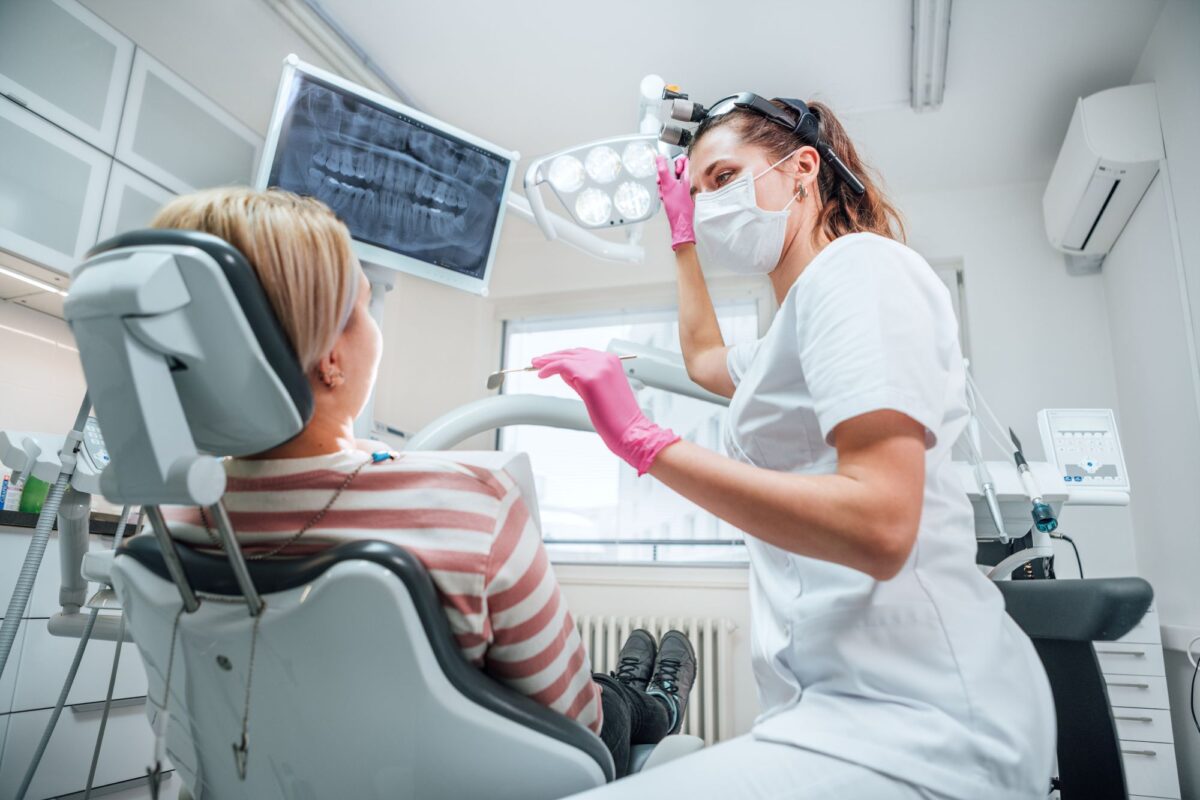
Your dentist is often one of the first healthcare professionals to spot potential signs of sleep-disordered breathing. During your routine exam, we look at structures that directly affect how you breathe. We assess your jaw position, palate shape, tongue posture, and signs of airway restriction.
During a routine exam, holistic dentists like Lewis Estates Dental Centre evaluate structures that directly affect breathing, including:
- Jaw position
- Tongue posture
- Palate shape
- Signs of airway restriction
- Tooth wear patterns
- Muscle tenderness from clenching
Sleep apnea and nighttime grinding, also known as sleep bruxism, are closely connected. When the airway narrows during sleep, the body may clench or grind the teeth in an effort to reopen it.
Over time, this can cause:
- Flattened or worn teeth
- Cracked teeth and restorations
- Enamel erosion
- Jaw discomfort
- Facial tension
These patterns often prompt us to ask questions about sleep quality and snoring. A dental visit may become the starting point of a much larger health conversation.
The Link Between Sleep, Inflammation, and Heart Health
The relationship between sleep apnea and heart health involves more than oxygen disruption. It also involves inflammation.
When your breathing is repeatedly interrupted at night, your body's stress response triggers systemic inflammation. This can contribute to cardiovascular strain over time. Meanwhile, mouth breathing during sleep reduces saliva production. Saliva is your mouth's natural defense against bacteria and decay.
Without adequate saliva, patients with sleep apnea often experience increased plaque buildup, gum inflammation, higher cavity risk, and persistent dry mouth. This creates a cycle where poor sleep affects oral health, and oral inflammation worsens overall wellness.
Understanding this connection is what makes Lewis Estates Dental Centre different. We don't just treat symptoms. We look at the whole picture of your health!
How Oral Appliances Can Help
If signs point toward airway instability, your dentist may recommend further evaluation. For some patients, dental treatment can be part of the solution.
Oral appliance therapy uses a custom-fitted device you wear while sleeping. Unlike CPAP machines, these appliances are compact and comfortable. They work by gently repositioning your lower jaw to help keep your airway open.
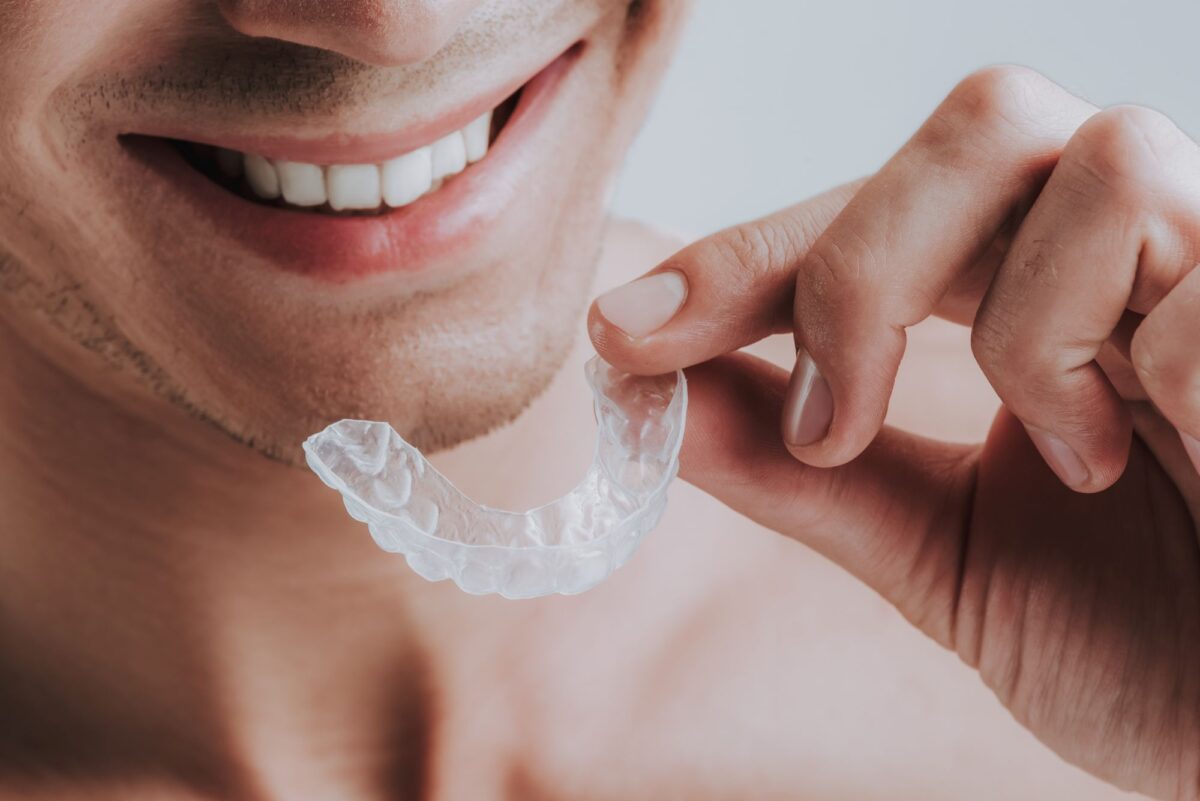
Our patients have found that oral appliance therapy reduces snoring, supports stable breathing, improves sleep quality, decreases jaw strain, and supports cardiovascular wellness. Our role is to collaborate with your healthcare providers for early identification and conservative treatment when appropriate.
Better Sleep (and Heart Health!) Starts at Lewis Estates Dental Centre

If you or someone you love snores regularly, wakes up feeling unrested, or experiences jaw discomfort, it may be worth asking whether sleep apnea could be contributing to your symptoms.
At Lewis Estates Dental Centre, we look beyond teeth. We look at patterns that influence your whole health. If you would like to discuss snoring, sleep apnea, or airway screening at your next visit, we are happy to talk!