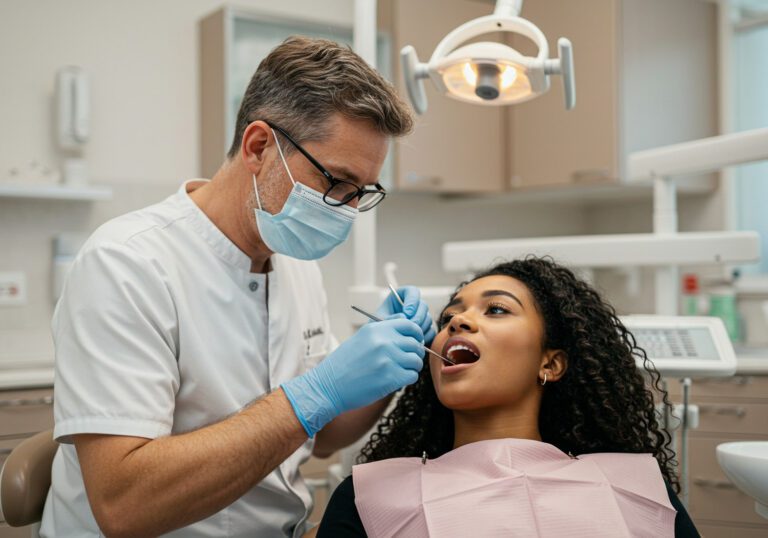
Most adults with good oral health visit the dentist about twice a year, and the Canadian Dental Association now recommends a schedule based on your health, age and risk.
| Who | Typical visit schedule |
|---|---|
| Adults with good oral health | About two visits per year |
| Adults with gum disease | Quarterly maintenance visits, as your dentist advises |
| Seniors | More often than younger healthy adults, as your dentist advises |
| People with diabetes or other medical conditions | A schedule your dentist sets for you |
| People with braces or removable aligners | More frequent hygiene visits |
Lewis Estates Dental Centre sets the number of dental visits per year for each patient, based on overall health and needs.
Key Takeaways about How Often to Visit the Dentist
- Most adults with good oral health visit the dentist about twice a year.
- The Canadian Dental Association recommends a personalized schedule instead of a rigid six-month interval.
- Seniors may need to visit the dentist more often than younger, healthy adults.
- Gum disease usually means quarterly maintenance visits.
- Bleeding gums, persistent tooth pain and mouth ulcers signal that a patient may need more frequent visits.
How Many Times a Year Should Adults Visit the Dentist?
For a long time, “twice a year” was the standard. Today, the Canadian Dental Association recommends a personalized approach instead of a rigid six-month interval.
This means your dental exam frequency depends on your lifestyle, your overall health and more. So, for how many times you should see the dentist per year, remember it's about what’s best for your health, not a universal number.
Learn more about the link between your oral and overall health on our blog.
What is the Standard Dental Cleaning Schedule in Canada?
For most adults in Canada with good oral health, the standard dental cleaning schedule is two visits per year. These visits typically include professional cleanings, an important part of your oral health maintenance strategy. They also include important health check-ups like cancer screenings, gum health tests, and more.
These appointments are a way to keep your teeth and gums healthy and to catch issues long before they become bigger problems.
How Age Determines How Often You Need Dental Care
Age plays a significant role in how often you need dental check-ups.
As we age, our bodies (including our teeth and mouths) undergo changes. Aging can mean gum recession (our gums pulling back from our teeth), increased tooth sensitivity, a higher risk of cavities, and dry mouth, which can all put us at risk of poor oral health. Not to mention years of eating and drinking can put some wear and tear on our teeth.
Seniors may need to visit the dentist more often than younger, healthy adults, so follow your dental professional’s recommendation for how often to return.
Understanding these oral health changes as we age is the first step to maintaining a healthy mouth and teeth for as long as we need them. Also, keeping a healthy smile at every stage is a bonus.
How Often Should Seniors Visit The Dentist?

If you're a senior, you might find that you benefit from more frequent dental appointments. However, based on a 2022 study, over 1 in 4 seniors in Canada hadn’t seen a dentist in the year prior to the survey. Why is that?
When seniors retire, they often have to say goodbye to their benefits plans, so dental visits can be a tougher pill to swallow. However, by skipping appointments, seniors are at a higher risk of developing poor oral and dental health, which contributes to poor general health, and can actually cause long-term health consequences over time (not to mention it may cost a lot more $$).
If you’re a senior, try to commit to your oral and dental health by keeping to your check-up schedule recommended by your dentist. It could save you a significant amount of money (and health) over time.
Medical Conditions That Require More Frequent Dental Visits
At Lewis Estates Dental Centre, we believe that your oral health is directly connected to your overall health. Specific medical conditions can increase your oral health risks, and poor oral health can bring you issues in other areas of the body. This makes keeping your dental appointments on schedule can affect more than just your mouth.
Here are some examples of medical conditions that may mean more frequent visits:
- Diabetes can increase your risk for gum disease and lower your body’s ability to fight off infections. It can also cause a dry mouth, inhibiting your saliva (which is your mouth’s way of killing off bacteria).
- Heart disease can be made worse if you have poor oral health if bacteria from gum disease enters your bloodstream through infected gums.
- Autoimmune disorders can cause dry mouth, mouth sores, gum disease, and more.
- Cancer treatments can cause dry mouth, can lower your body’s ability to fight off infections, and can drain you of energy, making it easier to skip brushing and flossing.
If you have any health conditions or concerns, we’ll work with you to tailor a plan that accommodates needs based on your health. Book an appointment to get started.
How Often Should Diabetics Visit The Dentist?
For our patients managing diabetes, we set the interval for dental hygiene visits and dental check-ups for each patient.
Being diabetic can mean you suffer from infections easier than the average healthy adult. Diabetes can slow down healing, meaning any mouth sores or minor cuts can easily turn into serious infections. Also, having high blood sugar as a diabetic can result in increased glucose in your saliva. Extra glucose in your mouth feeds bad bacteria and helps it thrive, causing a host of dental issues like cavities, infections, bad breath, and more.
Proactive diabetic dental care, including regular deep cleanings and proper management of blood sugar, is important for preventing serious issues like diabetes-related gum disease.
Signs You Need to Visit The Dentist More Frequently

Your mouth often sends subtle (or not-so-subtle) signals when it needs more attention. There are clear dental warning signs and oral health symptoms that indicate you might need to increase your dental visit frequency.
These can range from obvious red flags like:
- Bleeding gums
- Persistent tooth pain
- Mouth ulcers or abscesses
To more subtle clues such as:
- Persistent bad breath
- Heightened tooth sensitivity
- Metallic taste in the mouth
Paying attention to these signals and scheduling regular dental appointments can prevent minor concerns from escalating into major problems.
Gum Disease
If you have periodontal disease (gum disease), your dental cleaning schedule will likely include quarterly dental visits for maintenance therapy. Regular maintenance visits matter because untreated gum disease can affect your health beyond your mouth.
Consistent preventive dental care is important for effective gum disease treatment and keeping your smile, and your body, healthy.
What Happens During Regular Oral Health Check-ups
Curious about what goes on during your regular oral health check-ups? At Lewis Estates Dental Centre, you can expect a preventive dental appointment. This includes a thorough dental exam, a professional dental cleaning, digital dental X-rays, and oral cancer screenings.
These components together maintain your oral health and catch issues as early as possible, often before you notice them.
How Professional Cleanings Prevent Future Problems
At-home brushing cannot make up for a professional cleaning at the dentist.
Professional dental cleanings remove tartar, plaque and biofilm, which home care alone cannot do. Fluoride treatments add a layer of protection that mouthwash cannot provide.
To learn more about why these visits are so important, read our blog post Why You Need Regular Dental Check-ups. You can also find more information on our Teeth Cleaning service page.
Special Cases That Change Your Dental Visit Schedule
We get it. Life throws curveballs, and sometimes those curveballs impact your dental cleaning schedule.
There are several special dental circumstances that might require a modified dental visit frequency. These unique situations, which can temporarily or permanently alter your ideal schedule, include:
- Pregnancy: Tell us if nausea or discomfort makes it hard to lie back. We will work with you to find a comfortable time for your visit.
- Orthodontics: If you have braces or removable aligners, you’ll want to increase your dental visits. As braces can increase the difficulties of keeping your teeth clean by trapping food and tartar, we recommend coming in for more frequent hygiene visits.
- Post-surgery: If you’re recovering from a significant surgery, and mobility is a concern, we want you to focus on recovery and come see us when you’re feeling better.
One-size-fits-all doesn’t work for your cleaning schedule.
Do People With Dentures Still Need Regular Check-ups?
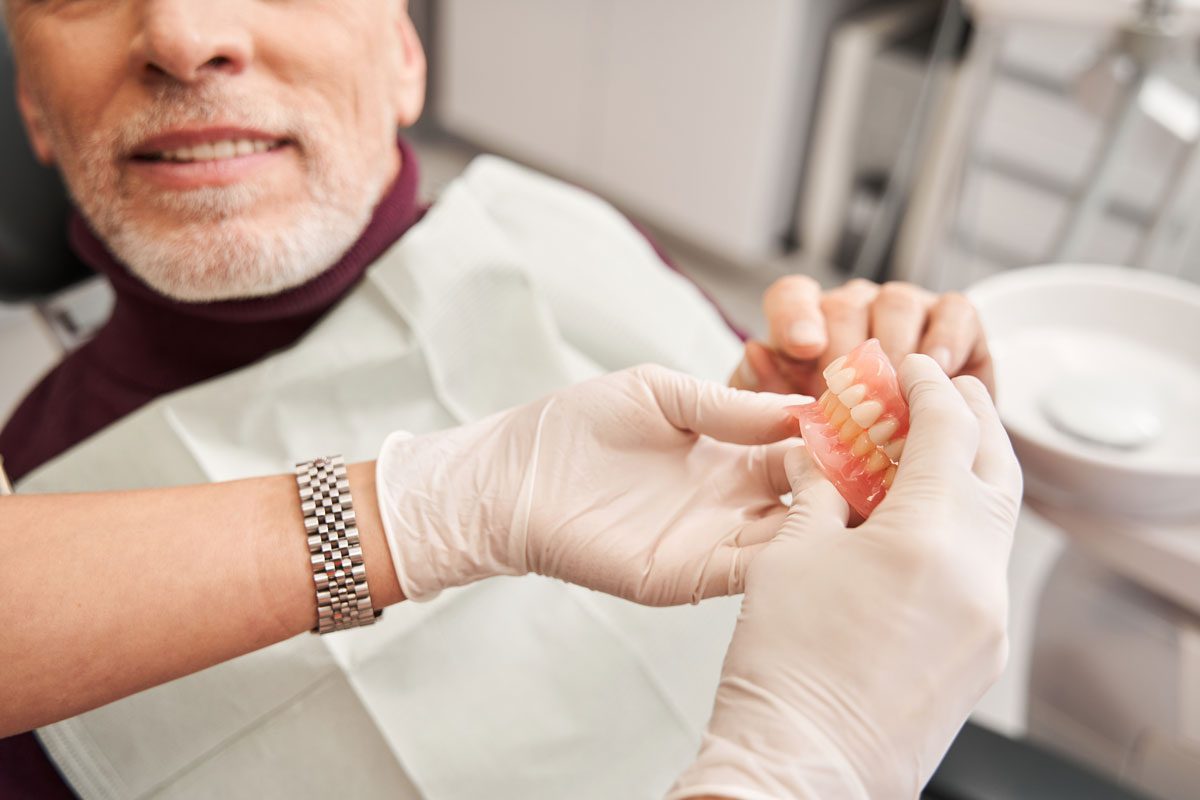
Your dentures may not be “real” teeth, but you should still have them cleaned and checked regularly.
Dental care is incredibly important when you are missing some or all of your teeth. Dentures can harbour bacteria, even if you’re diligent about your at-home cleaning and maintenance. Ongoing maintenance visits are important for your remaining teeth, mouth, for necessary denture adjustments, and for regular oral cancer screening. A proper, regular maintenance schedule for your dentures helps them last a long time.
So, how often should you visit the dentist? The truth is, dental check-ups truly depend on you, your individual health factors, your age, and your lifestyle. It’s not about following a “rule”, but about listening to your dental professional’s recommendations and your personalized plan. It’s important to find a dentist you can trust, who can help you determine the best check-up schedule for needs.
Book your next check-up and the team will set a schedule that fits your health.