
If you've recently started a GLP-1 medication like Ozempic, Wegovy, Mounjaro, or Zepbound—or you're considering one—you're in good company. These medications have genuinely transformed how we manage type-2 diabetes and weight loss, and many patients are seeing remarkable results. But there's something your prescribing physician may not have mentioned: These medications can quietly affect your oral health in ways that catch people completely off guard.
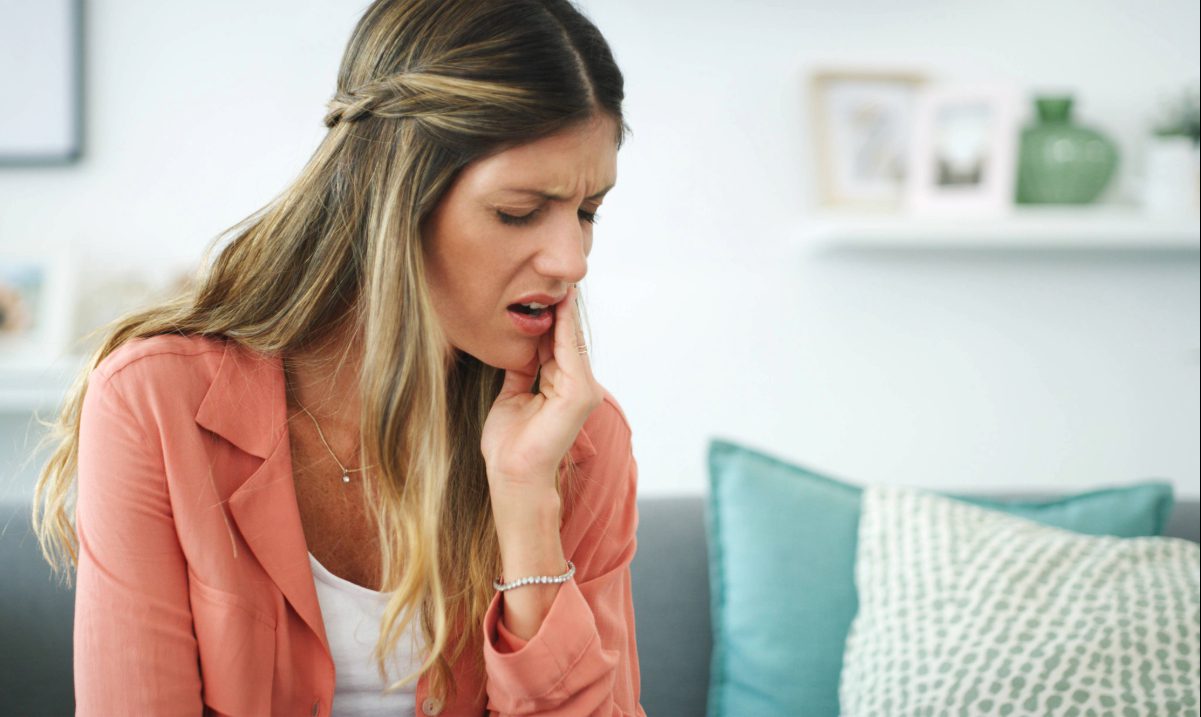
You may have noticed more tooth sensitivity since starting your medication, a persistently dry mouth, or—like many patients online—suddenly developed cavities you've never had before. This experience is so widespread that it has earned its own nickname: "Ozempic teeth". At Lewis Estates Dental Centre, we're here to make sure you understand what's happening, why it's happening, and how we can help you protect your smile throughout your health journey. The good news? None of this is inevitable.
GLP-1 Side Effects and Your Dental Needs
GLP-1 medications impact oral health by reducing saliva production and increasing enameleroding acid exposure. These drugs slow gastric emptying, which often triggers dry mouth and acid reflux. Semaglutide (Ozempic, Wegovy) and tirzepatide (Mounjaro, Zepbound) are highly effective for blood sugar control and weight loss—but those same mechanisms create a ripple effect that reaches your mouth.
Are you at higher risk for GLP-1-related dental changes? Ask yourself:
- Have you experienced nausea, acid reflux, or vomiting since starting your medication?
- Does your mouth often feel dry or sticky?
- Have you noticed increased tooth sensitivity or new cavities?
- Are you eating less frequently or skipping meals due to appetite suppression?
- Are you a post-menopausal woman over 50, or managing type-2 diabetes alongside your GLP-1 therapy?
Book a dental check-up immediately if you experience two or more of these symptoms. Patients on GLP-1 medications benefit from visiting their dentist every three to four months rather than the standard six—because these changes can happen faster than a twice-yearly check-up can catch.
Xerostomia: When Your Mouth Stops Protecting Itself
One of the most commonly reported—and most underestimated—oral side effects of GLP-1 therapy is xerostomia, or chronic dry mouth. Pharmacological research shows that semaglutide reduces salivary function. The FDA's Adverse Event Reporting System identifies dry mouth as a primary concern for this drug class, with semaglutide showing a reporting odds ratio of 3.21—a statistically significant signal.1
Why does this matter so much? Because saliva is your mouth's built-in defence system. Saliva neutralizes acids, rinses away food particles, remineralizes enamel, and keeps bacterial populations in check. When saliva production drops—even modestly—that entire protective system is compromised.

Biological Causes of Dry Mouth on GLP-1 Therapy
GLP-1 medications reduce saliva output through several pathways. These include altered autonomic nervous system signalling that affects salivary glands, reduced fluid intake from appetite suppression, and mild dehydration from dietary changes. A 2025 narrative review published in Biology found that semaglutide's strong albumin binding may persistently stimulate salivary gland receptors, leading to receptor desensitization and reduced gland responsiveness over time.2 Pharmacovigilance data also show elevated dry mouth reporting across the entire GLP-1 drug class—with semaglutide at 1.34 and tirzepatide at 1.35 reporting odds ratios.3
The practical result? Your teeth face more acid exposure, and bacteria accumulate more readily. Saliva normally supports enamel remineralization—but this process slows during GLP-1 therapy. Patients often describe noticing dry mouth most acutely at night or upon waking. This is also when bacterial activity is highest, and the absence of saliva causes the most damage.
What helps: Stay well-hydrated throughout the day. Use alcohol-free dry mouth rinses—look for xylitol-based products. Chew sugar-free gum to stimulate saliva flow. Your dentist may also recommend fluoride varnish treatments to compensate for reduced natural enamel protection.
Enamel Erosion, Acid Reflux, and "Ozempic Teeth"
The phrase "Ozempic teeth" has spread rapidly on social media and in online health communities—and it describes something very real that dental professionals are seeing in practice. The term "Ozempic teeth" refers to a cluster of symptoms: sudden-onset cavities in previously healthy teeth, increased sensitivity, enamel thinning, and in some cases, chipped or cracked teeth.4
The primary driver is acid exposure. GLP-1 medications slow gastric emptying, keeping stomach contents—including gastric acid—in the digestive system longer. Acid reflux (GERD), nausea, or vomiting frequently result, particularly in the early weeks of treatment or after dose increases. The FDA reports that 16–20% of Ozempic users experience nausea and 5–9% experience vomiting.5 Gastric acid erodes tooth enamel, and repeated exposure lowers the protective mineral content of teeth, making them softer, more sensitive, and far more prone to decay. Dental professionals note that acid erosion from reflux creates a distinct pattern—affecting the back surfaces of upper front teeth and the biting edges of molars, leaving a smooth, glassy, worn-down appearance.6
The Proper Way to Clean Teeth After Acid Exposure
Here's something most people don't know—and it's critical: Do not brush your teeth immediately after vomiting or an acid reflux episode. Brushing while enamel is softened by acid causes mechanical abrasion and accelerates erosion. Instead, rinse your mouth thoroughly with water, or with a solution of water and baking soda (half a teaspoon per cup of water) to neutralize the acid. Wait 30 to 60 minutes before brushing. This one habit change can make a meaningful difference in protecting your enamel.
The Impact of Frequent Snacking on Enamel
Eating patterns also play a role. GLP-1 therapy often causes patients to eat smaller, more frequent snacks rather than full meals. Each eating occasion generates an acid exposure cycle in the mouth. More frequent eating—even of healthy foods—means more frequent acid attacks on enamel without adequate recovery time.
If enamel erosion has already progressed to cavities or sensitivity, the team at Lewis Estates Dental Centre can help restore and protect your teeth with our dental cavity filling and crown services. Addressing decay early prevents it from deepening into more significant treatment.
Oral GLP-1 Pills: A New Consideration for 2026
Patients traditionally receive GLP-1 medications via weekly injections. With oral semaglutide formulations now more widely available in 2026, a new question has emerged: Does taking these medications by mouth introduce additional risk to teeth and oral tissues?
The evidence is still developing—but reasonable caution is warranted. Oral semaglutide tablets are designed for swallowing whole on an empty stomach with a small amount of water, using absorption enhancers to survive the digestive tract. The tablets are not intended to dissolve in the mouth, and direct enamel contact is not part of the intended mechanism.

That said, patients already prone to acid reflux—a common GLP-1 side effect—may experience a compounding effect if the tablet or its excipients linger in the esophagus or contact oral tissues. Research comparing oral and injectable semaglutide has found that patients on the oral formulation discontinue treatment at notably higher rates due to gastrointestinal side effects. This suggests oral users experience more of the GI distress that drives acid-related dental damage.
Our recommendation: If you have switched or are switching to an oral GLP-1 formulation, let our team know. We'll factor it into your preventive care plan and monitor early signs of erosion or tissue changes.
Surgical Safety: What GLP-1 Patients Need to Know Before Sedation
Always tell your dental team you are taking a GLP-1 medication before any sedation procedure—whether for a tooth extraction, implant placement, or other treatment.
Here's why this matters for your safety. GLP-1 drugs slow the rate at which the stomach empties, a condition called delayed gastric emptying. Delayed gastric emptying can progress to gastroparesis in a small percentage of patients. The American Society of Anesthesiologists (ASA) has issued guidance specifically addressing this risk. The ASA notes that delayed gastric emptying from GLP-1 drugs increases the risk of regurgitation and pulmonary aspiration of gastric contents during general anaesthesia and deep sedation.7 Clinical case reports have documented patients who fasted appropriately—between 7 and 18 hours—yet still presented with residual gastric contents before elective procedures.8
The 2024 updated ASA guidance recommends that higher-risk patients—those on higher doses, long-acting preparations, or currently in dose escalation—follow a liquid-only diet for at least 24 hours before their procedure.9 For lower-risk patients, standard fasting protocols may remain appropriate, assessed on a case-by-case basis.
We will always coordinate with your medical team and take appropriate precautions. The most important thing you can do is be transparent about all medications you take—this is exactly the information that allows us to care for you safely.
If you do need a root canal or extraction, rest assured that we take a careful, patient-centred approach to every procedure.
Long-Term Dental Considerations: Bone Density, Implants, and Nutrition
Patients on extended GLP-1 therapy face some longer-term oral health considerations worth understanding.
Nutritional gaps and their oral effects. Rapid or significant weight loss can reduce intake of key nutrients—particularly calcium and vitamin D. Both nutrients are critical for jawbone density and gum tissue health. Research suggests a small percentage of patients on higher-dose GLP-1 therapy may experience localized jawbone density changes. Nutritional depletion can also slow gum tissue healing and recovery after dental procedures.
Dental implant considerations. Dental implants rely on osseointegration—the successful fusing of the implant post to the jawbone. Preliminary concerns exist that changes in bone metabolism from GLP-1 therapy and rapid weight loss may affect this process in some patients. Dry mouth and compromised saliva also raise the risk of peri-implantitis (infection and inflammation around implants) if dental hygiene isn't closely managed. Interestingly, some preclinical studies suggest GLP-1 receptors may have anti-inflammatory properties in periodontal tissue—so the full picture remains complex and is actively being studied.
If you're considering tooth replacement options, including dental implants, while on GLP-1 therapy, we recommend a thorough consultation to discuss timing, nutritional status, and the right precautions for your situation.
Your Preventive Protocol: What to Do Starting Now
These risks are real, but they are manageable. Awareness and proactive dental care are your most effective tools. Here's a practical framework for protecting your oral health during GLP-1 therapy:
Increase your dental visit frequency. Schedule check-ups and cleanings every three to four months rather than every six. Early intervention is always more straightforward—and more affordable—than treating decay that has progressed.
Upgrade your daily oral hygiene routine:
- Brush twice daily with a fluoride toothpaste—remineralizing formulas (containing hydroxyapatite or high-fluoride concentrations) are especially beneficial.
- Floss daily, ideally before bed.
- Use an alcohol-free mouthwash; alcohol-based rinses worsen dry mouth.
- Consider an electric toothbrush, which provides more consistent plaque removal without the risk of aggressive scrubbing.
Stay hydrated. Sip water consistently throughout the day rather than in large quantities at once. This supports saliva production and helps buffer acids in the mouth.
Follow the 30-minute rule. After any acid reflux episode or vomiting, rinse with water or a baking soda solution—but wait at least 30 minutes before brushing.
Tell us about your medications. Every time your GLP-1 prescription changes—whether in dose or formulation—let our team know. What applies to one dose or delivery method may need adjustment with another.
Ask about fluoride treatments. In-office fluoride varnish applications provide a concentrated boost to enamel remineralization that over-the-counter products can't match. For patients on GLP-1 therapy, we often recommend these at every preventive appointment.
You Don't Have to Choose Between Your Health Goals and Your Smile
GLP-1 medications have changed lives. Managing diabetes more effectively, achieving a healthier weight, and reducing cardiovascular risk are deeply meaningful outcomes—and we want every patient to pursue them without undue worry about their teeth.
"Ozempic teeth" is not a verdict. It's a signal—one that tells us your teeth need a little more attention and support right now. With the right preventive routine and a dental team that understands what you're going through, your smile can remain healthy, strong, and intact throughout your treatment.
We'd love to see you. Whether you're newly starting a GLP-1 medication or have been on one for a while and are noticing changes, our team at Lewis Estates Dental Centre is here to help you navigate this with clarity and care. Book your next appointment—your future smile will thank you.
The information in this article is intended for general educational purposes and does not replace personalized advice from your dental or medical care team. Always consult with your healthcare providers about your individual health circumstances.
References
- Souto-Miranda S, et al. "GLP-1 Receptor Signaling and Oral Dysfunction." Biology 14(12):1650, 2025. https://www.ncbi.nlm.nih.gov/pmc/articles/PMC12729639/
- Souto-Miranda S, et al. "GLP-1 Receptor Signaling and Oral Dysfunction." Biology 14(12):1650, 2025. https://www.ncbi.nlm.nih.gov/pmc/articles/PMC12729639/
- SeekPeptides. "GLP-1 dry mouth: why it happens and how to fix it." April 2026. https://www.seekpeptides.com/blog/articles/glp-1-dry-mouth
- Central Park Dental. "Ozempic Mouth Is Real." May 2026. https://www.centralparkdental.net/cpdo/ozempic-mouth-is-real-how-glp-1-weight-loss-drugs-are-changing-what-your-dentist-sees/
- Legacy Community Health. "GLP-1 Medications and Your Dental Health." March 2026. https://www.legacycommunityhealth.org/newsblog-glp-1-medications-and-your-dental-health-what-you-need-to-know/
- Central Park Dental. "Ozempic Mouth Is Real." May 2026. https://www.centralparkdental.net/cpdo/ozempic-mouth-is-real-how-glp-1-weight-loss-drugs-are-changing-what-your-dentist-sees/
- American Society of Anesthesiologists. Consensus-Based Guidance on Preoperative Management of Patients on GLP-1 Receptor Agonists. Updated November 2024. https://www.asahq.org/about-asa/newsroom/news-releases/2023/06/american-society-of-anesthesiologists-consensus-based-guidance-on-preoperative
- SPAQI. Perioperative management of patients taking GLP-1 receptor agonists: Multidisciplinary Consensus Statement. PMC, 2025. https://pmc.ncbi.nlm.nih.gov/articles/PMC12597468/
- American Society of Anesthesiologists. New Multi-Society GLP-1 Guidance. October 2024. https://www.asahq.org/about-asa/newsroom/news-releases/2024/10/new-multi-society-glp-1-guidance