
Dental bridges, implants, and dentures replace missing teeth using distinct structural methods. A dental implant replaces the tooth root using a titanium implant inserted into the jawbone. A custom crown sits on top without altering adjacent teeth. A dental bridge fills gaps by securing artificial teeth to crowns on neighbouring natural teeth. A removable denture rests on teeth and gum tissue to restore basic chewing function.
Dental implants and bridges remain permanently fixed in the mouth. Removable dentures require daily removal for cleaning. Each option suits different oral health needs, lifestyle preferences, and budgets. You can explore our restorative tooth replacement options in Edmonton to see how our team approaches gentle, personalized care.

Identify Your Specific Tooth Replacement Needs
Before choosing a treatment path, evaluating your personal oral health goals helps narrow down options. We walk through this simple checklist with you during your initial visit:
- How many teeth are you replacing: a single tooth, several teeth, or a full arch?
- Are the natural teeth next to the gap healthy and strong?
- Is your jawbone density sufficient to support an implant?
- Do you prefer non-surgical options, or are you comfortable with minor oral surgery?
- What timeline and financial investment fit your current budget?
There are no wrong answers. Your responses help us guide you toward options that fit your life.
How Replacement Options Compare in Lifespan and Function
Treatment longevity and chewing function depend on how a replacement receives support. An implant attaches to the jawbone, a bridge leans on neighbouring teeth, and a denture rests on the gums.
| Option | Typical Lifespan | Jawbone Preservation | Impact on Neighbouring Teeth | Chewing Function |
| Dental Implant | 20+ years or a lifetime | Preserves jawbone through stimulation | Leaves adjacent teeth untouched | Closest to natural teeth |
| Dental Bridge | 10 to 15 years | Does not stop bone loss under the gap | Requires reshaping adjacent teeth | Strong and stable |
| Removable Denture | 5 to 8 years before reline | Does not prevent bone loss | Leaves adjacent teeth untouched | Restores partial chewing power |
Osseointegration Secures Long-Term Implant Stability
Dental implants offer exceptional long-term durability through osseointegration. During osseointegration, jawbone tissue fuses directly to the titanium implant post over three to six months. Dentists attach the final crown after the jawbone fully heals. This permanent bond gives implants stability matching natural tooth roots.
Dental implants maintain a high clinical success rate near 95%. With regular daily care, implants often last for decades. Dental bridges last 10 to 15 years using adjacent tooth support. Removable dentures require relining or replacement every 5 to 8 years due to changing gum contours.
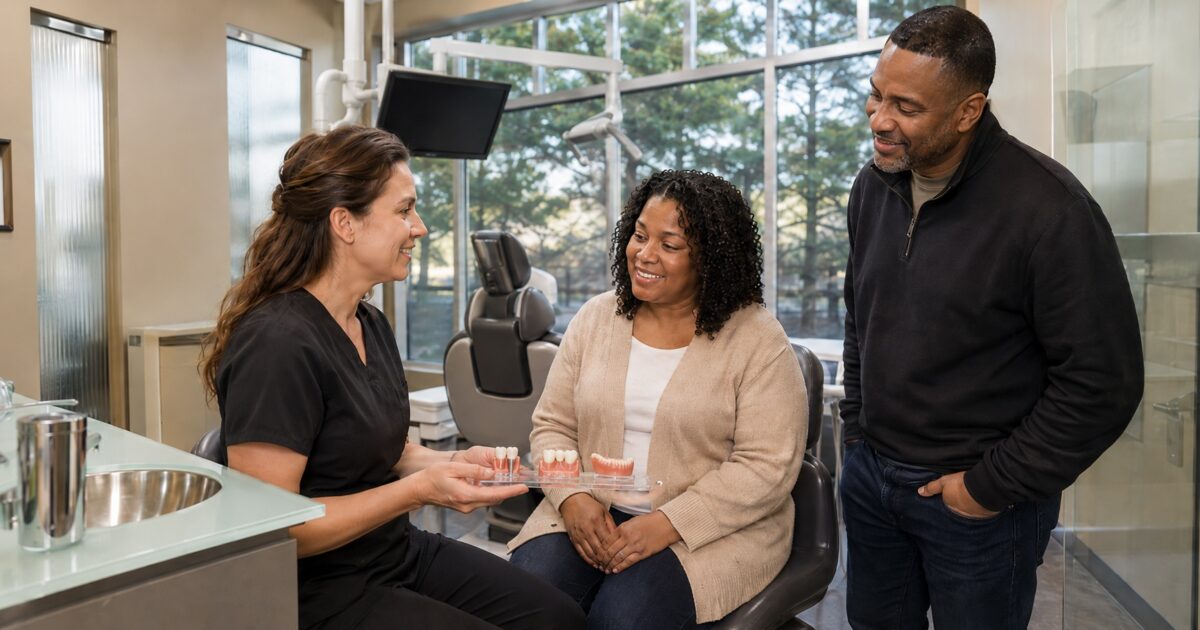
Tooth Replacements Impact Jawbone Health and Adjacent Teeth
Jawbone Loss Prevention and Bone Resorption
Natural tooth roots do more than hold teeth in place. Roots stimulate the jawbone to maintain healthy bone density. When a missing tooth root is absent, the surrounding jawbone slowly shrinks over time through resorption.
Dental implants replace both the root and crown. This design keeps healthy bone stimulation going and protects your natural facial structure. Bridges and dentures replace visible tooth crowns without replacing roots, failing to prevent gradual jawbone resorption.
Protecting Adjacent Natural Teeth
Preserving natural tooth structure is a major consideration. Traditional bridges require reshaping adjacent healthy teeth to place supporting crowns. Modifying healthy enamel requires careful thought.
A dental implant functions independently in the jaw. This independence leaves neighbouring natural teeth untouched and intact. Patients choose implants to protect healthy adjacent teeth. Bridges make sense when adjacent teeth already need crowns or care.
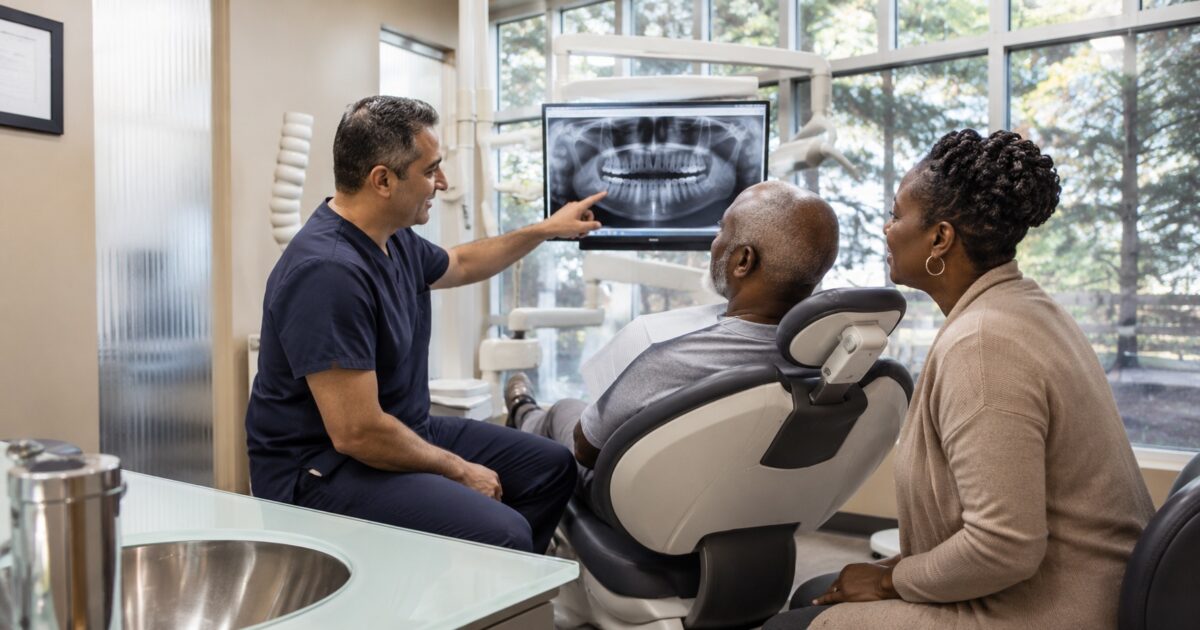
Cost Analysis in Edmonton: Upfront Fees versus Long-Term Value
We believe in complete pricing transparency with no surprises. Costs in Edmonton vary based on materials, preparation needs, and specific oral health goals. You always receive a written estimate before treatment begins.
Insurance rules vary by provider. The Canadian Dental Care Plan (CDCP) may cover dental implants in specific circumstances after evaluating your entire treatment plan. CDCP covers dentures within set replacement schedules and provides limited coverage for bridges. Private insurance plans can include alternative benefit clauses. These clauses allow patients to apply bridge allowances toward implants to lower out-of-pocket costs.
Evaluating 10-Year Value
Upfront price reflects only part of total treatment cost. Dental bridges require replacement every 10 to 15 years. Dentures need relining or remaking every few years.
A well-maintained implant is built to last decades. Over a 10-year horizon, implants often deliver better long-term value despite higher initial costs. Our team walks through every figure with you so you can make confident decisions. You can schedule a consultation at Lewis Estates Dental Centre whenever you feel ready.
Clinical Criteria for Implants, Bridges, and Dentures
We assess your gums, perform 3D scans to evaluate jawbone density, and discuss your medical history. We help you find the right option at your pace.
Primary Clinical Indicators for Treatment
- Dental implants work best if: You have healthy gums, adequate jawbone density, and good overall health for minor oral surgery. Conditions like unmanaged diabetes or smoking affect healing, so we review these together.
- Dental bridges work best if: Adjacent teeth are strong or need crowns, and you prefer a non-surgical path.
- Dentures work best if: You are replacing multiple missing teeth or a full arch with lower initial costs.

Daily Care and Hybrid Replacement Solutions
Simple daily routines keep your new smile healthy, comfortable, and bright. Hybrid choices blend multiple treatment strengths.
Hygiene Protocols and Hybrid Options
- Dental Bridges: Brush normally and clean under artificial teeth using floss threaders or water flossers.
- Dental Implants: Brush, water floss, string floss, and use low-abrasive toothpastes just like natural teeth.
- Hybrid Solutions: Implant-supported bridges and snap-in dentures use targeted implants to anchor full arch replacements securely.
Our compassionate team is here to support your oral health journey without pressure. You are welcome to explore our restorative tooth replacement options in Edmonton or schedule a visit at Lewis Estates Dental Centre today.
Sources
- Government of Canada / Health Canada: Canadian Dental Care Plan coverage and exclusions (implants not covered; dentures covered within replacement limits), canada.ca.
- Canadian Dental Association: patient education on tooth replacement, implants, and oral health, cda-adc.ca.