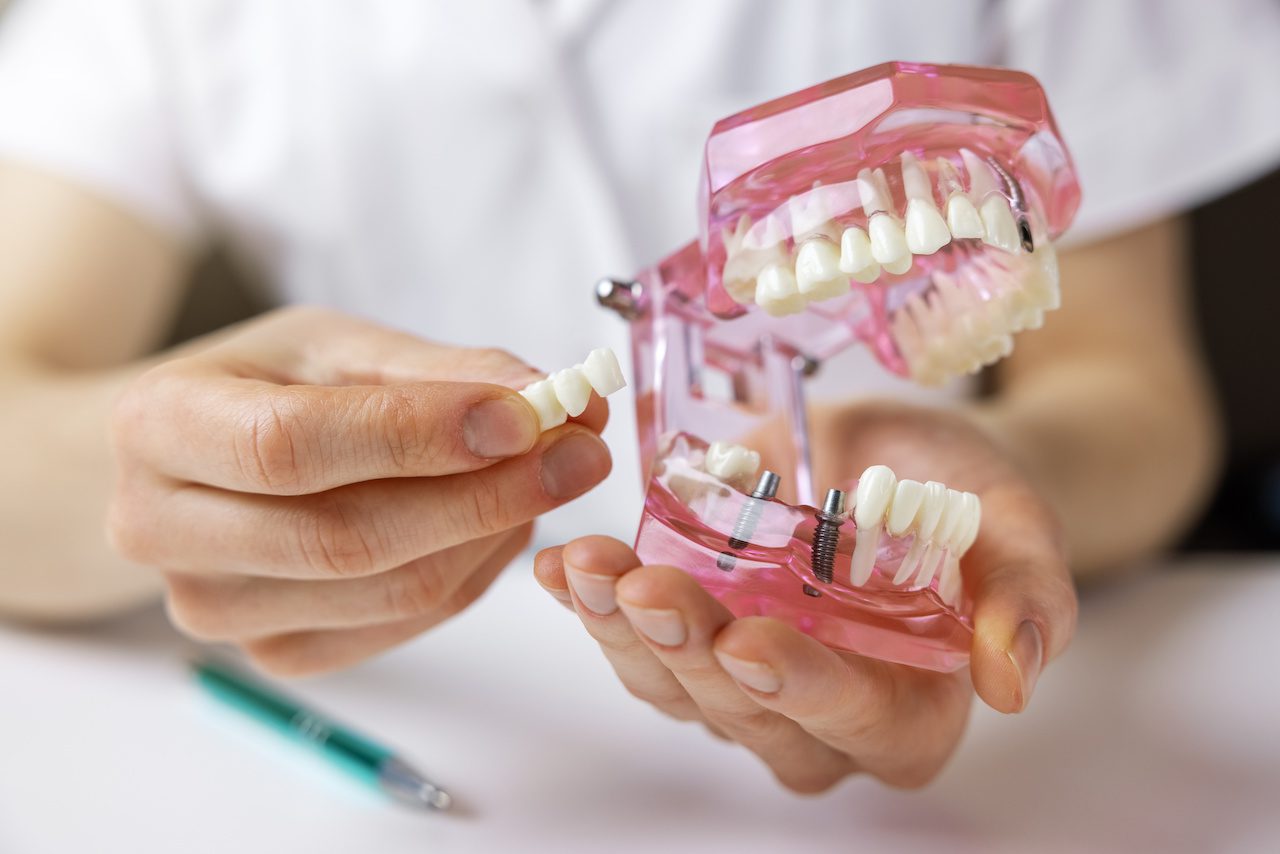
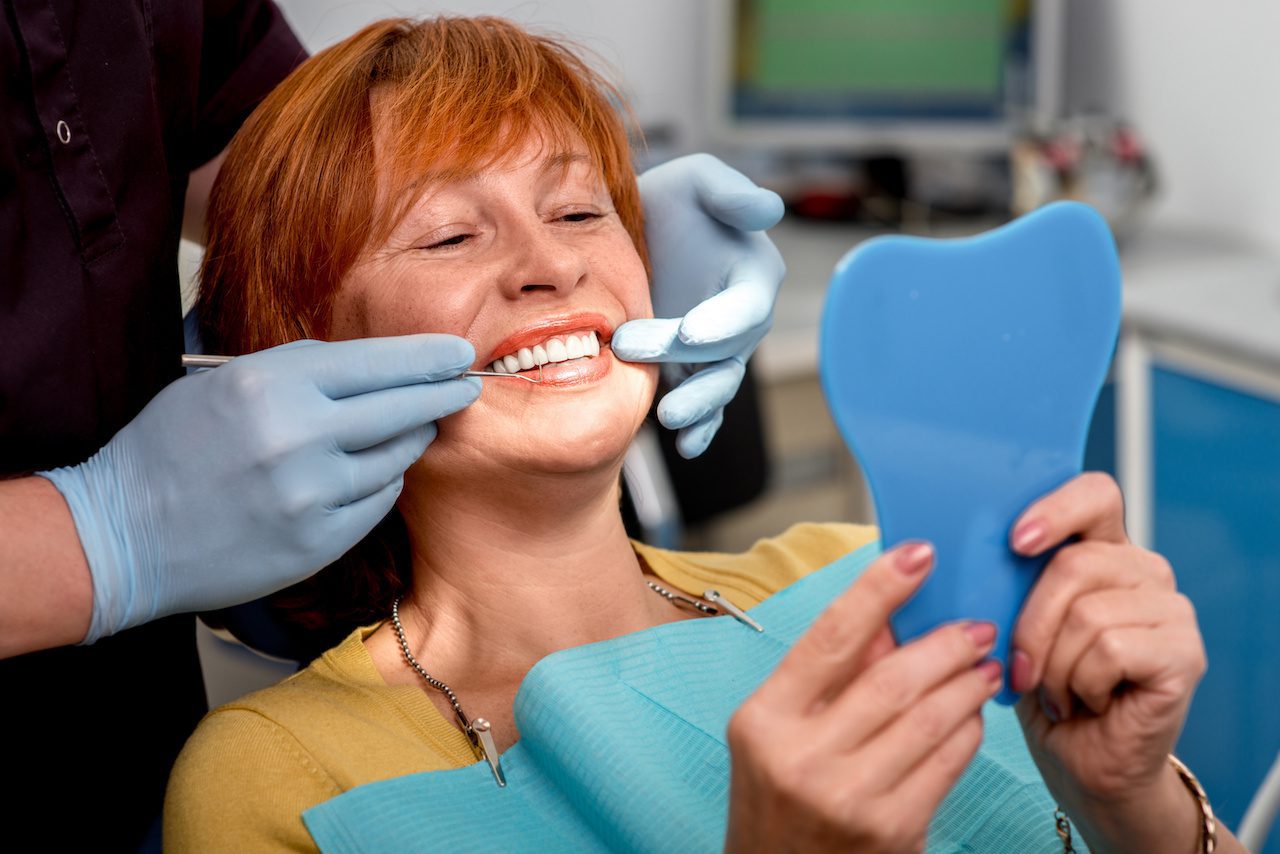
Dental implant success depends on multiple quality factors working together to create durable, long-lasting tooth replacement. Material composition, placement precision, and osseointegration determine how well implants restore chewing function and natural appearance. Patients researching the best dental implants in West Edmonton should evaluate these interconnected factors when comparing providers.
Material Selection Affects Implant Durability Over Decades
Titanium posts achieve 95-98% osseointegration success because titanium fuses directly with human bone tissue through a biological bonding process. Grade 4 and Grade 5 titanium alloys resist corrosion for decades in the oral environment, maintaining structural integrity under constant chewing forces. Material selection directly impacts whether dental implants last 10 years or function for the patient’s lifetime.
Imaging Technology Determines Placement Precision
Advanced imaging technology maps jawbone density, nerve locations, and sinus cavities before implant placement to avoid complications. Lewis Estates Dental Centre uses advanced imaging to plan precise implant positioning for optimal bone integration and long-term stability. Placement accuracy within 1-2 millimeters affects chewing force distribution across the implant surface and determines whether the titanium post remains stable for decades.
Key Quality Indicators When Comparing Implant Providers
- Imaging technology type determines bone assessment accuracy (3D CBCT scans provide complete bone density mapping while 2D panoramic X-rays show limited detail)
- Titanium grade specifications indicate material durability (Grade 4 commercially pure titanium or Grade 5 titanium alloy both achieve excellent osseointegration rates)
- Osseointegration protocols establish healing monitoring frequency (providers should assess integration progress at 6-week, 12-week, and final intervals during the 3-6 month healing period)
- Crown fabrication process ensures natural appearance (custom color matching using dental shade guides with 16+ color variations produces results that blend with adjacent teeth)
- Provider credentials verify surgical training (Doctor of Dental Surgery degree includes 150+ hours of oral surgery education covering implant placement techniques)
Customization Standards Impact Natural Appearance
Custom crown fabrication matches shape, color, and translucency to adjacent natural teeth for results that restore spontaneous smiling confidence. Dental laboratories create crowns using precise shade guides with 16+ color variations, capturing subtle differences in tooth appearance across patients. Natural-looking results depend on crown customization attention to detail rather than generic prefabricated options that fail to match individual tooth characteristics.
Comparing Dental Implant Costs Against Alternative Solutions
Families researching the best dental implants in West Edmonton often compare upfront costs against bridges and traditional dentures when deciding how to replace missing teeth. Initial implant expenses appear higher than alternative tooth replacement options at the consultation stage. Twenty-year cost analysis reveals different financial outcomes when factoring replacement cycles, bone preservation benefits, and impact on adjacent teeth.
Replacement Cycles Create Hidden Long-Term Expenses
Bridges typically require replacement every 5-15 years as supporting teeth weaken or decay develops underneath the bridge structure. Traditional dentures need replacement every 5-15 years due to bone loss causing fit changes that create slipping during eating and talking. Dental implants avoid replacement cycles because titanium posts integrate permanently with jawbone tissue, eliminating the need for future replacements when patients maintain proper oral hygiene.
Twenty-Year Cost Comparison Across Replacement Options
| Solution |
Initial Cost |
Replacements in 20 Years |
Adjacent Tooth Impact |
Bone Preservation |
Cumulative Cost Pattern |
| Single Dental Implant |
Higher upfront investment |
Zero replacements needed |
No modification required |
Prevents bone loss |
Lower total over decades |
| Dental Bridge |
Moderate initial cost |
1-3 replacement procedures |
Requires grinding two teeth |
No bone stimulation |
Higher cumulative expense |
| Partial Denture |
Lower starting price |
2-4 replacement fittings |
Clasp wear on attachment teeth |
Accelerates deterioration |
Moderate total with adjustments |
Bone Preservation Prevents Additional Future Procedures
Missing teeth cause 25% jawbone volume loss in the first year without replacement because bone requires chewing force stimulation to maintain density. Traditional dentures accelerate bone deterioration because chewing pressure transfers to gum tissue rather than stimulating underlying bone structure. Dental implants transfer chewing forces directly into jawbone through the titanium post, stimulating bone tissue and preventing deterioration that requires expensive bone grafting procedures later.
Adjacent Tooth Protection Reduces Future Dental Work
Dental bridges require grinding down two healthy adjacent teeth to create support structures for the replacement tooth in between. Lewis Estates Dental Centre provides dental implants that preserve healthy teeth because implants function as independent tooth roots that don’t require changing teeth next to the missing tooth. Protecting adjacent teeth eliminates potential root canals, crowns, or extractions on those supporting teeth that bridges often require decades after initial placement.
Determining Candidacy For Dental Implant Procedures
Adults missing one or more teeth need adequate jawbone density and healthy gums for successful dental implant placement and osseointegration. Lewis Estates Dental Centre conducts comprehensive consultations including advanced imaging to assess candidacy factors before creating treatment plans. Most patients qualify for implants immediately, while some require preparatory treatments like periodontal therapy or bone grafting before implant placement.
Jawbone Density Requirements Determine Immediate Eligibility
Titanium posts require minimum jawbone thickness of 1-2 millimeters surrounding the implant for stable integration and long-term success. Bone loss from missing teeth reduces density below this threshold progressively over months and years. Patients who lost teeth recently typically have adequate bone volume, while those missing teeth for multiple years may need bone grafting procedures to build sufficient volume before implant placement.
Health Factors Affecting Implant Candidacy Assessment
- Excellent candidates include healthy adults with recent tooth loss, non-smokers, and patients with controlled chronic conditions who maintain regular medical care
- Good candidates include adults missing teeth for 1-3 years, former smokers who quit 6+ months prior, and patients with well-managed diabetes showing stable blood sugar levels
- Candidates requiring preparation include patients with active gum disease needing periodontal therapy first, insufficient bone volume requiring grafting procedures, and patients with uncontrolled diabetes who must achieve stable management
- Patients needing specialist evaluation include heavy smokers consuming 20+ cigarettes daily, radiation therapy recipients with jaw area treatment history, patients taking bisphosphonate medications for osteoporosis, and cases with severe bone loss exceeding standard grafting protocols
Chronic Health Conditions Require Medical Coordination
Diabetes affects wound healing and infection resistance during the 3-6 month osseointegration period when bone tissue grows around the titanium post. Patients with HbA1c levels below 7% typically achieve normal implant success rates with proper monitoring throughout the healing process. Dr. Bains coordinates with medical providers when chronic conditions require treatment plan adjustments for safe implant placement, ensuring comprehensive care that addresses both dental and overall health factors.
Preparatory Treatments Expand Candidacy Options
Bone grafting procedures build jawbone volume over 3-6 months before implant placement when natural bone proves insufficient for stable titanium post integration. Periodontal therapy eliminates gum disease through deep cleaning and infection treatment that could otherwise cause implant failure. Lewis Estates Dental Centre works with dental specialists to complete preparatory treatments that make implants possible for patients initially falling outside standard candidacy criteria, expanding access to this restorative solution.
Evaluating Provider Credentials And Technology Standards
Provider credentials and technology standards distinguish adequate implant services from the best dental implants in West Edmonton for families comparing options. Dr. Bains earned her Doctor of Dental Surgery degree in 1999 from University of Alberta and established Lewis Estates Dental Centre in 2002. Twenty-six years of implant placement experience combined with Canadian Dental Association and Alberta Dental Association & College membership ensure current technique knowledge and proven surgical competency.
Dental Surgery Degrees Indicate Implant Training Standards
Doctor of Dental Surgery programs require 150+ hours of surgical training including implant placement techniques, osseointegration principles, and complication management protocols. Dentists without DDS or DMD degrees lack accredited surgical education for titanium post placement procedures and bone integration assessment. Dr. Bains completed her DDS at University of Alberta, which requires demonstrated competency in oral surgery procedures before graduation, ensuring proper foundation for complex restorative treatments.
Association Memberships Require Continuing Education Compliance
Canadian Dental Association and Alberta Dental Association & College membership requires annual continuing education in current dental techniques, materials science, and patient safety protocols. Dr. Bains maintains membership in both organizations, ensuring familiarity with evolving implant materials, placement methods, and evidence-based treatment approaches. Association standards mandate ethical practice and patient safety prioritization that protect consumers choosing dental implant providers in West Edmonton.
Technology And Service Indicators For Quality Assessment
- Advanced imaging systems reveal bone density measurements and nerve positions before placement, preventing complications that occur when providers work without complete anatomical information
- Sedation dentistry certification enables comfortable treatment for anxious patients through trained administration of sedation options beyond standard local anesthesia
- Registered dental hygienist team provides ongoing implant maintenance care through specialized cleaning techniques that preserve implant surfaces and surrounding gum tissue
- Specialist coordination network manages complex cases requiring periodontists for advanced gum treatment, oral surgeons for difficult extractions, or endodontists for root canal therapy before implant placement
- Established practice history indicates sustained patient trust and treatment outcomes, with practices operating 20+ years demonstrating consistent quality that attracts family dental referrals
Lewis Estates Dental Centre operates in The Grange Shopping Centre in West Edmonton, serving families throughout Lewis Estates, Secord, the Grange, Parkland, and Granville neighborhoods since 2002. Convenient West Edmonton location enables families to access comprehensive dental services including emergency care, preventive treatments, and restorative procedures under one roof. Patients seeking the best dental implants in West Edmonton benefit from accessibility that supports initial consultations, implant placement appointments, and decades of ongoing maintenance visits for long-lasting oral health.