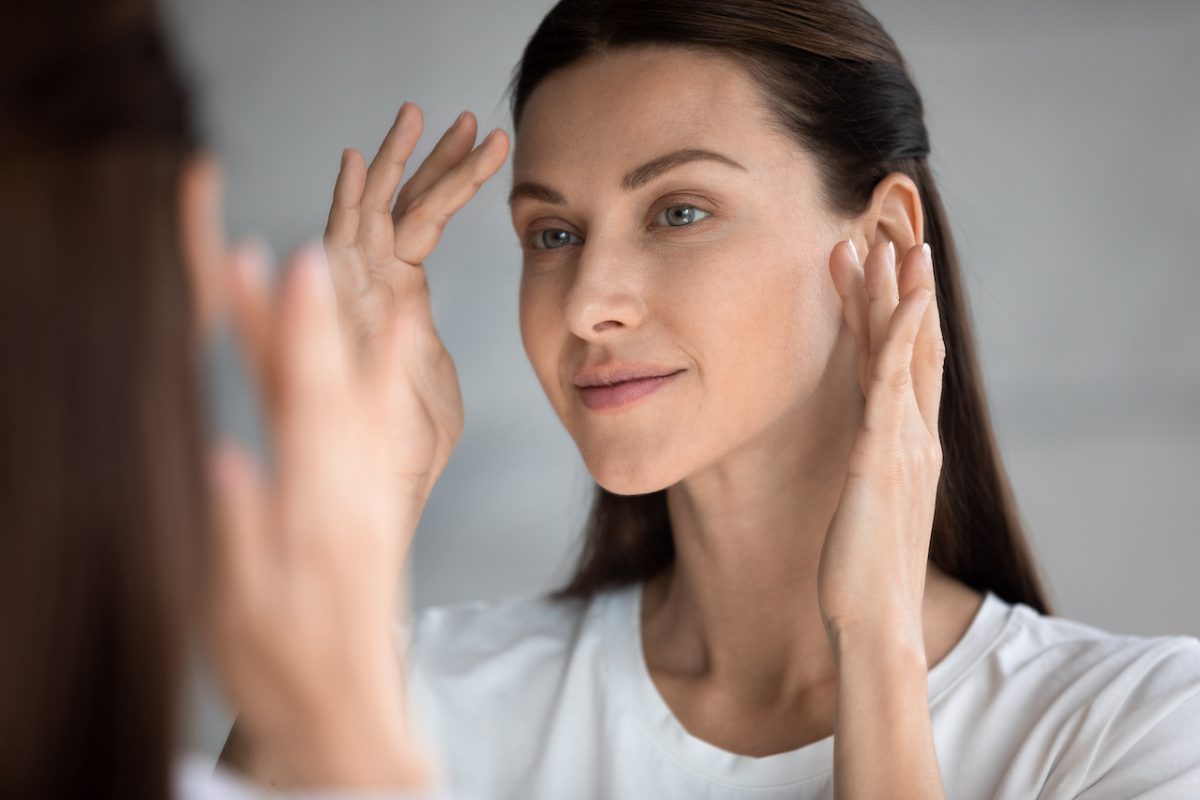
Cosmetic injectables divide into two distinct categories that address different aging mechanisms in facial skin. Neuromodulators like Botox Cosmetic work by relaxing facial muscles that create expression lines during movement. Dermal fillers use hyaluronic acid to restore lost volume in areas where collagen and elastin production has decreased over time.
How Neuromodulators Address Dynamic Lines
Neuromodulators target fine lines caused by repetitive muscle contractions during facial expressions. Providers at Lewis Estates Dental Centre inject Botox into superficial skin layers around the eyes, forehead, and between the eyebrows to relax underlying muscles. Neuromodulator effects typically last three to four months before muscle activity gradually returns.
How Dermal Fillers Restore Volume in Static Lines
Dermal fillers address deeper wrinkles and folds that remain visible even when facial muscles relax completely. Hyaluronic acid fillers plump areas around the mouth, cheeks, and jawline where volume loss creates pronounced lines and sagging. Filler treatments deliver results lasting up to eighteen months as the body gradually metabolizes hyaluronic acid over time.
Treatment Selection Criteria by Concern Type
| Facial Concern |
Primary Cause |
Recommended Treatment |
Typical Duration |
| Fine expression lines |
Muscle movement |
Neuromodulators |
3-4 months |
| Deep static wrinkles |
Volume loss |
Dermal fillers |
Up to 18 months |
| Hollow cheeks |
Fat pad descent |
Dermal fillers |
Up to 18 months |
| Forehead lines |
Muscle contraction |
Neuromodulators |
3-4 months |
Common Treatment Areas for Cosmetic Injectables in Facial Rejuvenation
Providers administer cosmetic injectables to specific facial zones where aging signs become most apparent over time. Superficial skin layer injections target areas around the eyes, forehead, mouth, cheeks, and jawline based on individual aging patterns. Each facial region responds differently to neuromodulators versus dermal fillers depending on whether muscle activity or volume loss causes visible concerns.
Upper Face Treatment Zones for Expression Lines
The upper face shows dynamic wrinkles primarily around the eyes and forehead where facial expressions create repetitive muscle movements. Crow’s feet develop at the outer eye corners from smiling and squinting actions throughout daily activities. Neuromodulators work effectively in upper facial zones because active muscles create visible creasing during movement.
Mid and Lower Face Applications for Volume and Contour
The mid and lower face develop static wrinkles and volume loss that remain visible regardless of facial muscle activity. Nasolabial folds deepen from the nose to mouth corners, while marionette lines extend downward from mouth corners toward the chin. Dermal fillers restore lost volume in cheeks, around the mouth, along the jawline, and directly into lips for comprehensive rejuvenation.
Facial Treatment Area Guide
- Forehead: Horizontal lines across the brow respond to neuromodulators that relax frontalis muscle contractions
- Glabella: Vertical frown lines between eyebrows soften with targeted neuromodulator injections
- Crow’s Feet: Lateral eye wrinkles diminish when neuromodulators relax orbicularis oculi muscles
- Nasolabial Folds: Deep smile lines from nose to mouth fill with hyaluronic acid applications
- Lips: Direct filler injection increases lip fullness and defines vermillion border
- Jawline: Contour definition improves with strategic filler placement along mandibular edge
Achieving Natural-Looking Results with Cosmetic Injectable Treatments
Patients researching cosmetic injectables in West Edmonton often express concerns about achieving aesthetic enhancement without obvious signs of cosmetic procedures. Natural-looking results preserve individual facial characteristics while softening aging signs that cause self-consciousness. Properly administered cosmetic treatments enhance existing features rather than creating artificial appearances that draw attention to obvious work.
Strategic Application Techniques for Subtle Enhancement
Natural results depend on precise injection placement that respects facial anatomy and individual muscle patterns. Providers assess facial structure, skin thickness, and muscle strength before determining appropriate injection sites and dosages. Conservative initial treatments allow patients to experience subtle improvements before deciding whether additional enhancement aligns with personal aesthetic goals, maintaining natural facial movement through careful dosage control.
Evaluating Candidacy for Therapeutic Neuromodulator Applications
Neuromodulators serve therapeutic purposes beyond cosmetic applications by relaxing overactive muscles that cause pain and dysfunction. Temporomandibular joint dysfunction, teeth grinding, and frequent headaches respond to targeted muscle relaxation in the jaw and surrounding areas. Dr. Bains at Lewis Estates Dental Centre evaluates patients for therapeutic neuromodulator treatments when traditional dental appliances fail to provide adequate relief.
Candidate Criteria for Therapeutic Neuromodulation
Patients who have failed to achieve symptom relief through splint therapy or nightguard use become candidates for therapeutic neuromodulator treatments. Individuals unable to tolerate wearing occlusal splints due to severe gag reflexes require alternative approaches to manage bruxism and TMD symptoms. Many patients experience improvement or complete resolution of jaw locking, jaw pain, teeth grinding, and headaches following therapeutic neuromodulator treatments administered by qualified dental professionals.
Therapeutic Treatment Candidate Checklist
- Diagnosed temporomandibular joint dysfunction causing chronic jaw pain or limited opening
- Documented bruxism or teeth grinding behavior leading to tooth damage or muscle soreness
- Failed conservative treatment with nightguards, splint therapy, or bite adjustments
- Inability to tolerate occlusal appliances due to gag reflex or compliance difficulties
- Frequent tension headaches originating from jaw muscle hyperactivity
Safety Protocols and Provider Qualifications for Injectable Treatments
Facial nerve anatomy presents complex structures that require specialized knowledge for safe cosmetic injectable administration. Medical professionals and dental professionals possess the anatomical training necessary to navigate facial nerves, blood vessels, and muscle layers during treatment. Lewis Estates Dental Centre follows comprehensive safety protocols including proper medication handling, infection control standards, and thorough patient education before and after treatment.
Essential Knowledge Areas for Safe Injectable Administration
Providers administering cosmetic injectables must demonstrate competency in medication handling, facial anatomy, infection control protocols, and complication management. In-depth facial anatomy knowledge guides providers in delivering medications safely while avoiding nerves, vessels, and sensitive structures that could cause adverse effects. Understanding potential complications and contraindications ensures appropriate patient selection and immediate response capability if adverse reactions develop.
Patient Education and Post-Treatment Care Standards
Qualified providers ensure patients receive comprehensive information about post-treatment care requirements before leaving the treatment facility. Clear instructions about activity restrictions, sleeping positions, and symptom monitoring help patients optimize results while minimizing complication risks. Schedule a consultation to discuss your cosmetic injectable goals and receive detailed information about the treatment process, expected outcomes, and post-care protocols specific to your needs.