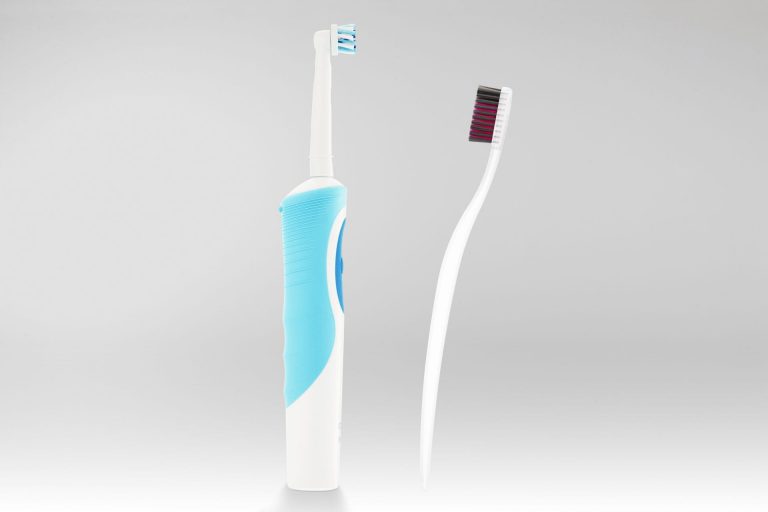
An electric toothbrush is worth considering if it has a small head, a pressure sensor and a built-in timer, but it does not replace flossing or professional cleanings.
Should I Or Shouldn't I? Buying An Electric ToothbrushElectric toothbrushes equipped with sonic technology seem capable of doing everything. So the question then is, why doesn't everyone have one? Are they worth the money? Do dentists recommend them? Choosing an electric toothbrush with pressure sensors goes beyond what seems great on paper. Proper professional dental cleaning and oral care comes from having the right tools and knowing just how to use them effectively. For some people, a manual toothbrush does that and more. For others, they need the diligence and efficiency of the electric toothbrush with oscillating technology.
So with that said, what should people be looking out for if they're interested in trying one? What are the key qualities to keep an eye out for in a winning brush? This guide covers what to look for if you want to buy an electric toothbrush.
Size and Technique Matter for Effective Cleaning
A smaller head works better on an electric toothbrush. Small-headed brushes with cross-action technology have an easier time in all areas of one's mouth and their size allows them to better get into the cracks between the teeth and directly affect the gum line. This is especially important for brushing with electric toothbrushes: they remove plaque buildup by vibrating tiny bristles quickly, eradicating food particles in a circular motion. Manual toothbrushes are supposed to do the same but electric works at a much faster rate with ultrasonic cleaning technology.
Dental professionals who recommend Philips Sonicare and similar brands agree that electric toothbrushes with a lot of power can reduce plaque and freshen breath. But one great thing about brushing with electric toothbrushes lies in their ability to help you unlearn bad habits that you've accumulated in your lifetime using smart sensors.
A manual toothbrush is capable of keeping up with an electric toothbrush if used by someone who knows proper dental cleaning techniques and oral hygiene practices well and takes their time to do it effectively. The true strength of the electric toothbrush lies in their ability to attain excellent oral hygiene easier than a manual toothbrush by accomplishing what the human hand can't.
Features to Consider When Choosing an Electric Toothbrush
Electric toothbrushes with Bluetooth connectivity can be a quality investment but does that mean you should scrutinize each feature? Affordable electric toothbrushes can offer features such as rechargeable batteries, built-in timers, multiple cleaning modes and the ability to support different brushing heads with gum care mode. Most dental professionals agree that a soft-bristled brush head is best for removing plaque and food debris from your teeth. Small-headed brushes with deep clean mode are also preferable since they can better reach all areas of the mouth, including hard-to-reach back teeth. You'll want to look for an electric toothbrush capable of rotating 360 degrees and have a battery life capable of doing the job well - you'll want a brush that holds a charge with clear battery indicators.
So if you asked us at Lewis Estates Dental Centre, "manual or electric?" odds are the answer we'll give you is the one that works best for you. We're fans of both electric toothbrushes and manual brushes, it's the approach that counts. It's important to do some research before you commit and if you decide on an electric toothbrush, congrats. If you have any questions we are happy to help and we know it will provide help on your path to achieving a great smile.